By: Goodluck E.Adubazi, Abuja.
Nigeria has recorded its highest-ever non-oil export performance, reaching a historic $6.1 billion in 2025, alongside a record volume of 8.02 million metric tonnes, according to the Director-General of the Nigerian Export Promotion Council (NEPC), Nonye Ayeni.
Speaking at the Women Exporters Conference held at the NEPC Auditorium in Maitama, Abuja, Ayeni described the achievement as the highest in Nigeria’s history since the council’s establishment, noting that the figures reflect formal and documented exports.
“The future of commerce will not belong to those who wait. It will belong to those who innovate and take advantage of opportunities,” she said.
Ayeni emphasized that non-oil exports remain central to Nigeria’s push for sustainable and inclusive economic development, especially as the country seeks to reduce dependence on crude oil.
She highlighted Nigeria’s vast potential across agriculture, solid minerals, manufacturing, and services, citing export products such as sesame, shea butter, copper, and lithium.
Despite this potential, Nigeria’s share of global trade remains low. In 2024, global merchandise exports stood at $24.5 trillion, with Africa contributing just 3.5 percent. Nigeria accounted for only 0.26 percent, underscoring what Ayeni described as a significant opportunity for growth.
According to the NEPC, Nigeria exported 281 distinct products to 210 countries in 2025, spanning Africa, Asia, Europe, and the Americas. Within Africa, exports reached 36 countries, including 11 ECOWAS member states.
Ayeni attributed the growth to the “Renewed Hope Agenda” of President Bola Ahmed Tinubu, alongside policy support from the Federal Ministry of Industry, Trade and Investment and NEPC’s export-focused initiatives.
The conference, themed “Strengthening Women-led Businesses for Resilience, Recovery and Inclusive Economic Growth,” spotlighted the critical role of small and medium enterprises (SMEs), which account for 96 percent of businesses in Nigeria.
Women-led enterprises, representing about 40 percent of SMEs, were highlighted as key contributors to employment, innovation, and export value chains.
Ayeni revealed that NEPC conducted 728 capacity-building programmes in 2025, impacting over 97,000 participants nationwide.
The council also facilitated 210 international certifications—half of which were awarded to women—covering global standards such as FDA, HACCP, and ISO.
Through partnerships with the International Trade Centre and the World Trade Organization (WTO), NEPC has expanded opportunities for women exporters. Initiatives such as the SheTrades Nigeria Hub have supported over 5,000 women with training and market access.
A major highlight is the Women Exporters and Digital Economy Initiative (WEIDE), a $50 million global fund launched in 2024.
Nigeria emerged as the only African country selected for the first phase, with NEPC chosen among four implementing organizations worldwide.
Out of more than 67,000 applicants, 146 Nigerian women entrepreneurs were selected to receive grants ranging from $5,000 to $30,000, alongside mentorship and digital trade support.
Representatives of the WTO at the conference noted that while Nigerian women entrepreneurs are increasingly competitive globally, challenges remain.
These include access to finance, financial management practices, and limited visibility of women-led businesses.
They urged entrepreneurs to adopt better financial discipline, maintain clear business records, and scale operations to compete internationally.
Also speaking at the Conference, Special Adviser to the President on Export Expansion, Aliyu Sherrif, described women entrepreneurs as “one of the most powerful forces for national transformation.”
He called for stronger institutional support to remove barriers in financing, market access, and logistics, stressing that empowering women is essential to achieving inclusive economic growth.
“When women succeed in business, families are strengthened, communities grow, and the nation prospers,” he said.
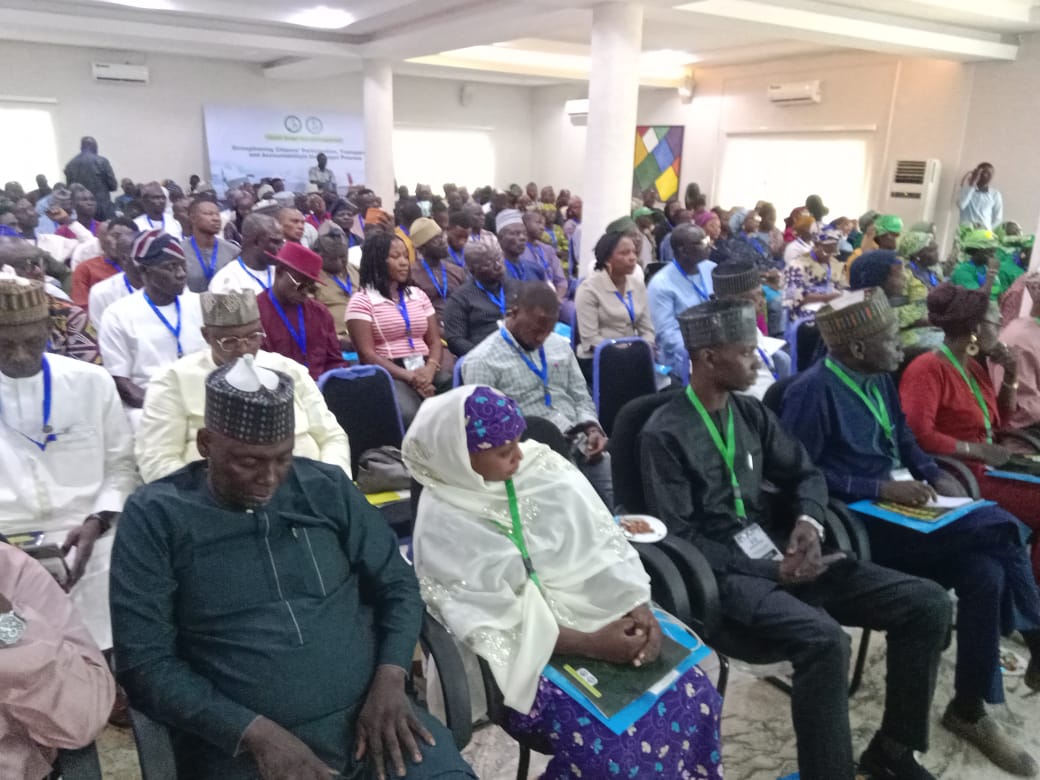
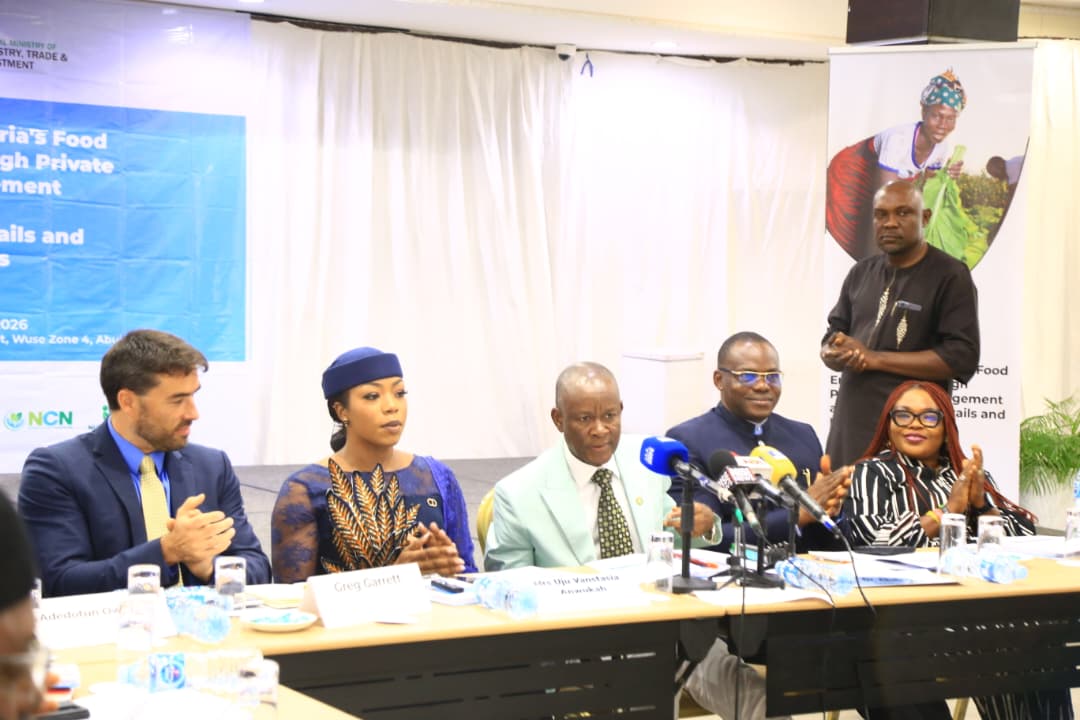
The conference brought together top government officials, industry leaders, financial institutions, and development partners to address key issues such as export readiness, digital trade, and access to international markets.
Participants were encouraged to leverage the platform to build partnerships and scale their businesses, as Nigeria positions itself as a major trade hub within West Africa and beyond.
With record-breaking export figures and growing global partnerships, stakeholders say Nigeria’s non-oil sector is gaining momentum—though sustained investment and inclusive policies will be critical to unlocking its full potential.