By: Goodluck E.Adubazi, Abuja.
The World Bank has projected that Nigeria could add an estimated $229 million to its GDP by 2030 if it successfully closes the gender gap in labour force participation.
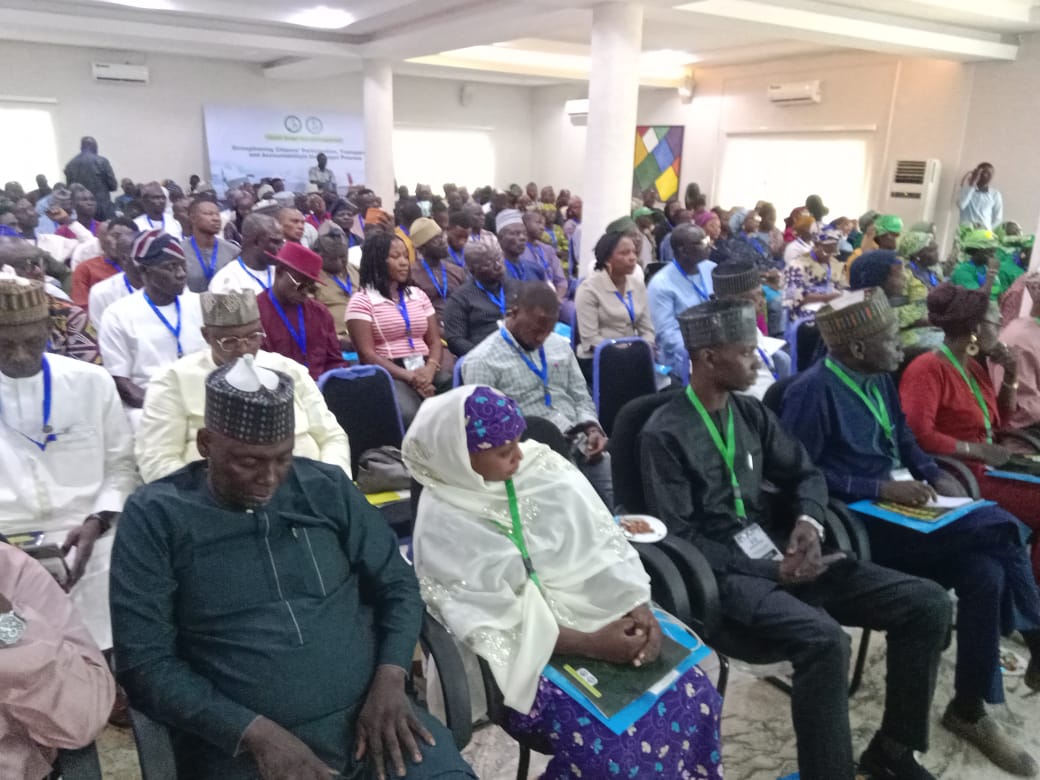
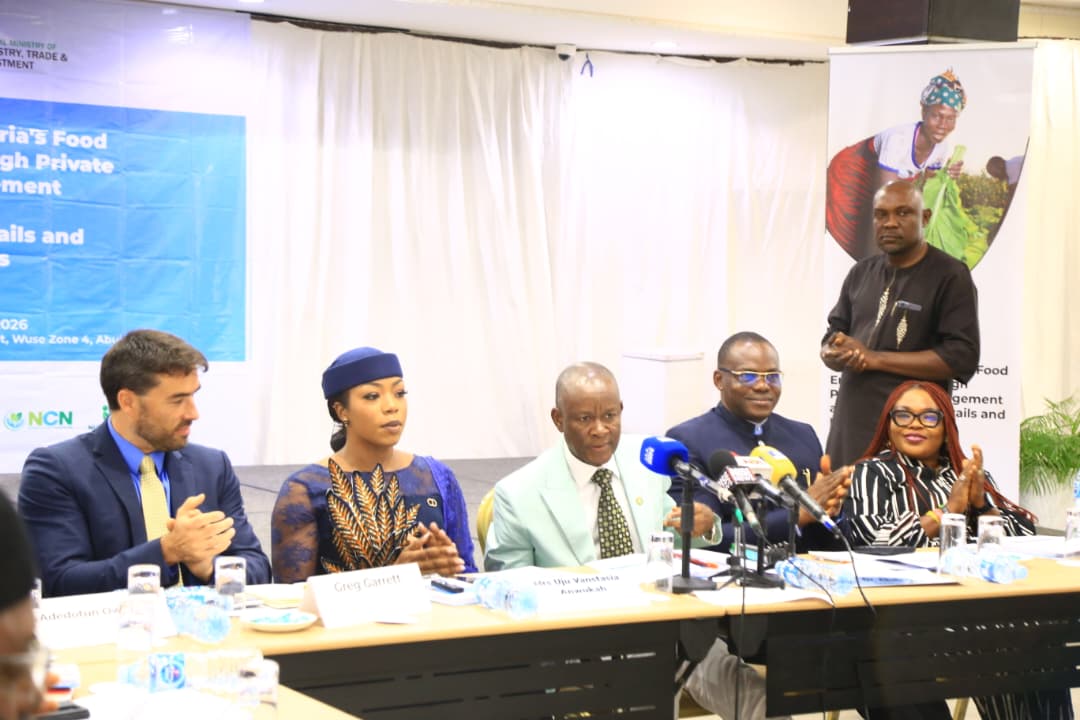
This projection was highlighted during the Women Economic Empowerment Policy and Jobs Forum held Tuesday at the Abuja Continental Hotel. The event, themed “Women, Jobs and Markets: Unlocking Inclusive Economic Opportunities in Nigeria,” brought together policymakers, development partners, and stakeholders to address barriers facing women in the economy.
Speaking at the forum, Minister of Women Affairs and Social Development, Imaan Sulaiman-Ibrahim, emphasized the human dimension of economic empowerment. She noted that beyond statistics and policies, the focus should remain on millions of Nigerian women striving to build sustainable livelihoods.
“When I think about women’s economic empowerment, I think of faces — women whose ingenuity and endurance rival any enterprise globally,” she said,
stressing that the core issue is not women’s capability but whether systems enable them to thrive at scale.
Despite women constituting over 50 percent of Nigeria’s population and owning 43 percent of nano, micro, small, and medium enterprises (NMSMEs), the minister highlighted that fewer than 10 percent have access to formal financial credit.
She also raised concerns about educational disparities, noting that girls in rural areas are twice as likely to be out of school as boys, while unpaid care work continues to limit productivity.
“These are not just gender disparities; they are economic and national security risks,” she warned.
The minister outlined government efforts under the Renewed Hope Social Impact Intervention (RH-SII 774), an initiative aligned with the administration of President Bola Ahmed Tinubu.
The programme aims to reach over 50 million women, children, and vulnerable groups across all 774 local government areas in the country.
She also commended the World Bank for its continued partnership through initiatives such as the Nigeria for Women Programme Scale-Up (NFWP-SU), describing the institution as a key driver of inclusive development.
Meanwhile, Minister of Budget and National Planning, Abubakar Atiku Bagudu, revealed that Nigeria loses an estimated ₦12 trillion annually due to gender inequality. In his keynote address, he urged stakeholders to assess gender inclusion beyond budgetary allocations, emphasizing broader policy outcomes in education and income.
The forum featured panel discussions on agriculture, rural livelihoods, access to finance, and regional strategies for advancing women’s economic empowerment. In closing remarks, Michael O’Sullivan highlighted key insights from the sessions, underscoring the importance of evidence-based policies in driving sustainable change.
The event concluded with a renewed call for coordinated action to dismantle systemic barriers and unlock the full economic potential of Nigerian women.