By: Goodluck E.Adubazi, Abuja.
The Chairman of the Independent National Electoral Commission (INEC), Joash Amupitan, has issued a strong warning to political parties, declaring that any primary election that sidelines women will fail the Commission’s regulatory standards ahead of Nigeria’s 2027 general elections.
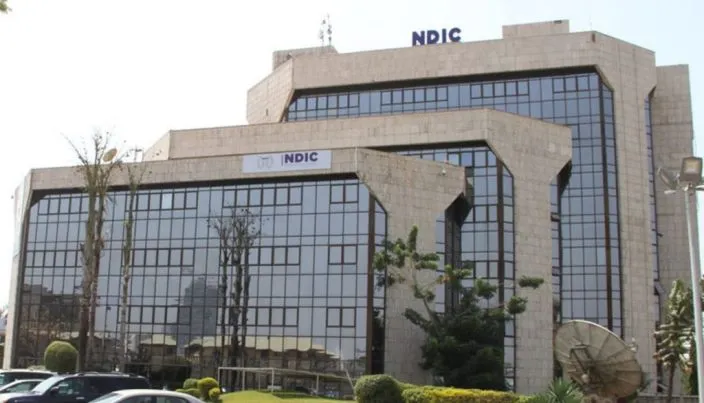
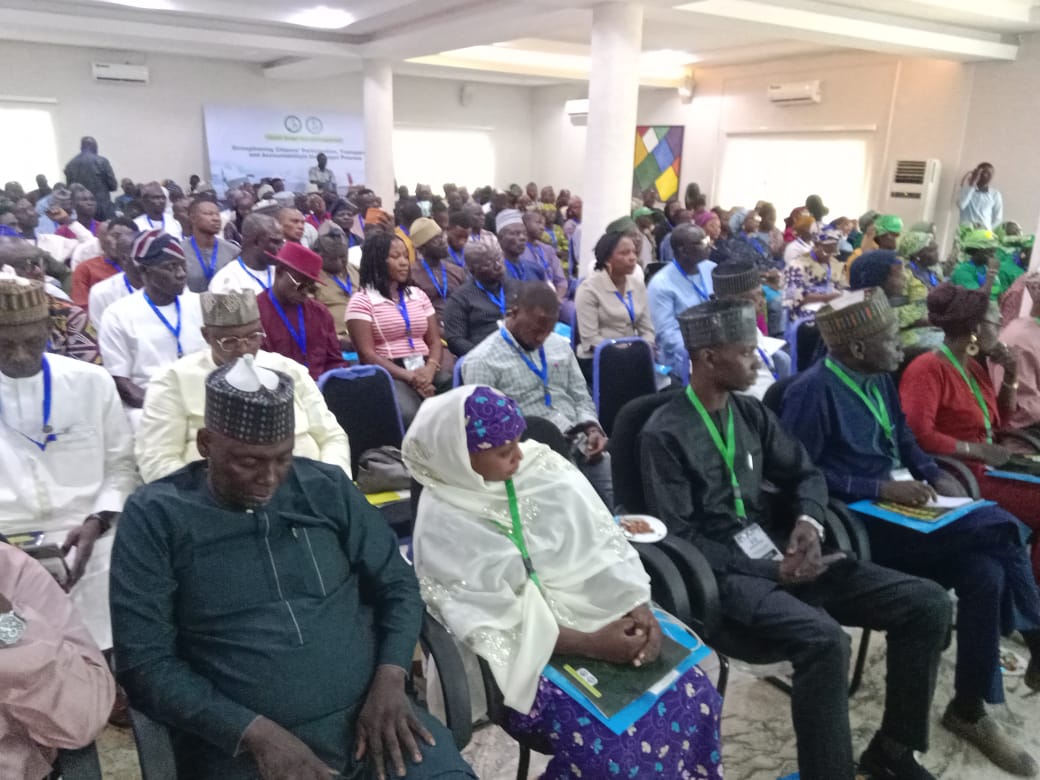
Speaking during the Commission’s 2026 International Women’s Day celebration at the INEC headquarters in Abuja on Tuesday, the INEC chairman said symbolic gestures such as free nomination forms for women are no longer sufficient under the provisions of the Electoral Act 2026 and the Commission’s revised regulations.
According to him, INEC will subject party primaries to stricter scrutiny to ensure inclusivity and internal democracy.
“A primary that systematically excludes women is a primary that fails the test of our new regulatory standards,” Amupitan said. “It is no longer enough to offer concessions while maintaining glass ceilings in party structures.”
He stressed that as preparations intensify for the 2027 elections, political parties must demonstrate genuine commitment to inclusive leadership, noting that democracy gains credibility when all segments of society have equal opportunity to participate.
The INEC chairman also expressed concern about the growing trend of gender-based disinformation and online harassment targeting female aspirants, warning that the electoral space must not be weaponised against women.
“As we head toward 2027, female candidates are disproportionately targeted by fake news and online harassment designed to suppress their ambition,” he said. “The electoral arena must be a sanctuary for ideas, not a battlefield for gender-targeted attacks.”
Amupitan said gender inclusion within INEC is a deliberate institutional policy rather than mere rhetoric, highlighting the increasing presence of women in leadership positions within the Commission.
According to him, INEC currently has two female national commissioners and a female secretary to the commission at the national level. At the state level, six Resident Electoral Commissioners and eight Administrative Secretaries are women.
He added that at the headquarters, 10 out of the 23 directors—representing over 43 percent—are women, while 218 of the 774 electoral officers across the country are female.
“These women, working alongside their male counterparts, are contributing immensely to the efficiency and credibility of the Commission,” he said.
The chairman also referenced institutional reforms including the establishment of a Gender and Inclusivity Department in April 2021 and the appointment of Hadiza Abubakar Talba as Special Adviser on Gender and Inclusivity.
Earlier, National Commissioner and Chairman of the Outreach and Partnership Committee, Abdullahi Abdu-Zuru, described the theme of the celebration — “Give to Gain: Advancing Women Leadership for Inclusive Progress” — as a call for sustained institutional action rather than mere symbolism.
The Secretary to the Commission, Rose Oriaran-Anthony, in a presentation on the Commission’s progress, said INEC’s efforts toward women’s inclusion have been steady and policy-driven.
She noted that the Commission had evolved from a period when there was only one female national commissioner and no female Resident Electoral Commissioners.
“Our journey has been deliberate,” she said. “As we gave opportunities to women, the Commission gained enhanced productivity and improved stakeholder trust.”
Air Force Pledges Electoral Support
Meanwhile, the Nigerian Air Force has pledged full logistical and surveillance support for INEC operations ahead of upcoming elections.
The commitment was made when the Chief of the Air Staff, Sunday Kelvin Aneke, led a delegation of senior officers from the Nigerian Air Force on a courtesy visit to the INEC chairman in Abuja.
Amupitan described the partnership as critical to the success of elections in Nigeria, stressing that logistics remains one of the most decisive factors in electoral credibility.
“The election can only be as good as the logistics,” he said. “Failure to plan is planning to fail.”
INEC has already released the timetable for the 2027 polls under the Electoral Act 2026, with Presidential and National Assembly elections scheduled for January 16, 2027, and Governorship and State Assembly elections set for February 16, 2027.
Amupitan said the Commission is mindful of the logistical challenges of deploying personnel and materials across Nigeria’s vast terrain and difficult locations, noting that collaboration with the Air Force will help bridge operational gaps.
He commended the Air Force for its role in previous electoral exercises, including the 2025 governorship election in Anambra State and the 2026 Area Council election in the Federal Capital Territory.
To deepen coordination, the INEC chairman announced plans to establish a joint technical team with the Air Force to strengthen operational planning ahead of major electoral engagements.
In his remarks, Air Marshal Aneke congratulated Amupitan on his appointment and reaffirmed the Air Force’s commitment to supporting Nigeria’s democracy.
He said the service stands ready to provide airlift for sensitive and non-sensitive election materials as well as personnel deployment to remote areas.
The Air Chief also disclosed that Intelligence, Surveillance and Reconnaissance platforms — including drones and unmanned aerial vehicles — would be deployed to monitor the electoral environment and detect potential security threats early.
Both leaders expressed confidence that strengthened collaboration between INEC and the Nigerian Air Force will enhance the conduct of secure, orderly and credible elections across the country.