By: Goodluck E. Adubazi, Abuja.
As the nation prepares for the 2027 general elections, an expert has urged the Independent National Electoral Commission (INEC) to keep a close watch on political parties and warned against vote buying.
The disclosure was made on Wednesday against the backdrop of findings from the 2025 Anambra governorship election report.
Three major political parties — the All Progressives Congress (APC), All Progressives Grand Alliance (APGA) and the Labour Party (LP) — spent over N7 billion in the 2025 Anambra State governorship election, according to a new electoral integrity report unveiled Wednesday in Abuja.
The report, presented at an Electoral Integrity Summit organized by Kimpact Development Initiative (KDI), a UK International Development sponsorship revealed that political parties collectively expended N19,654,574,441, far exceeding the spending ceiling prescribed under Section 89(2) of the Electoral Act.
Delivering the keynote address titled “Building an Ecosystem for Democratic Development: The Path Towards Credible Elections in Nigeria and West Africa,” former South African judge and Chairperson of the Africa Electoral Justice Network, Boissie Henry Mbha, described elections as a constitutional test of any democracy.
“Elections are not mere political events. They are constitutional processes governed by law. When elections succeed, democracy consolidates. When they fail, trust erodes,” Mbha declared.
He warned that weakness in any component of the electoral process — security, finance or results management — could compromise the entire system.
“A weakness in one pillar will burden the others. If the process is not transparent, the results cannot be legitimate,” he said.
Mbha noted that Nigeria’s electoral credibility carries regional implications. “If Nigeria gets it right, West Africa gets it right. Failure of the electoral process leads to failure of all,” he cautioned.
Elections an Ecosystem, Not an Event
The jurist stressed that elections must be seen as an ecosystem where security, financial transparency and accountability coexist.
He emphasized that electoral security must protect constitutional rights rather than intimidate voters. Drawing from South Africa’s experience, Mbha advocated early risk mapping, intelligence-driven operations and inter-agency coordination well ahead of Election Day.
“Security must safeguard the sacred vote. It is the basis of sovereignty,” he said.
He also highlighted the role of judicial “shields,” noting that swift sanctions against electoral violence deter impunity and strengthen public confidence. Report Flags Finance Breaches, Result Inconsistencies.
KDI Executive Director, Bukola Idowu, said the summit focused on three pillars: election security, campaign finance and ballot integrity.
According to him, the Anambra findings showed that leading parties overshot legally permitted spending thresholds.
“This is a call to regulators to enforce compliance and sanction offenders. Spending limits without enforcement invite circumvention,” Idowu said.
The report also identified inconsistencies in result uploads on the INEC IReV portal, arithmetic errors, cases of over-voting and discrepancies between declared results and uploaded figures.
In addition, the report documented 122 election-related violent incidents and 130 fatalities in Anambra between January 1 and November 7, 2025.
Idowu urged the Independent National Electoral Commission (INEC) to move beyond passive receipt of post-election financial disclosures and adopt stricter supervisory mechanisms ahead of the 2026 off-cycle governorship elections in Osun and Ekiti, as well as the 2027 general elections.
Responding, Anambra Resident Electoral Commissioner, Queen Elizabeth Agwu, described elections as a collective national exercise.
“Election is not a one-man affair. It involves political parties, security agencies, candidates and citizens,” she said.
Agwu noted that INEC conducts post-election reviews to strengthen logistics, security coordination and early deployment of materials.
“If security fails, it affects deployment and ultimately results. That is why synergy is critical,” she stated.
On campaign finance, she urged politicians to de-emphasize excessive spending and focus on integrity.
“Nigerians are not looking for those who showcase money, but those who showcase character and what they have to offer,” she said.
Democracy at Stake
Mbha concluded with a stark warning:
“Democracy does not collapse in a single dramatic moment. It erodes when systems weaken, when transparency fails and when accountability becomes selective.”
He maintained that courts are guardians — not architects — of electoral systems, stressing that democratic legitimacy is secured not by mere declaration of results, but by adherence to lawful, transparent processes.
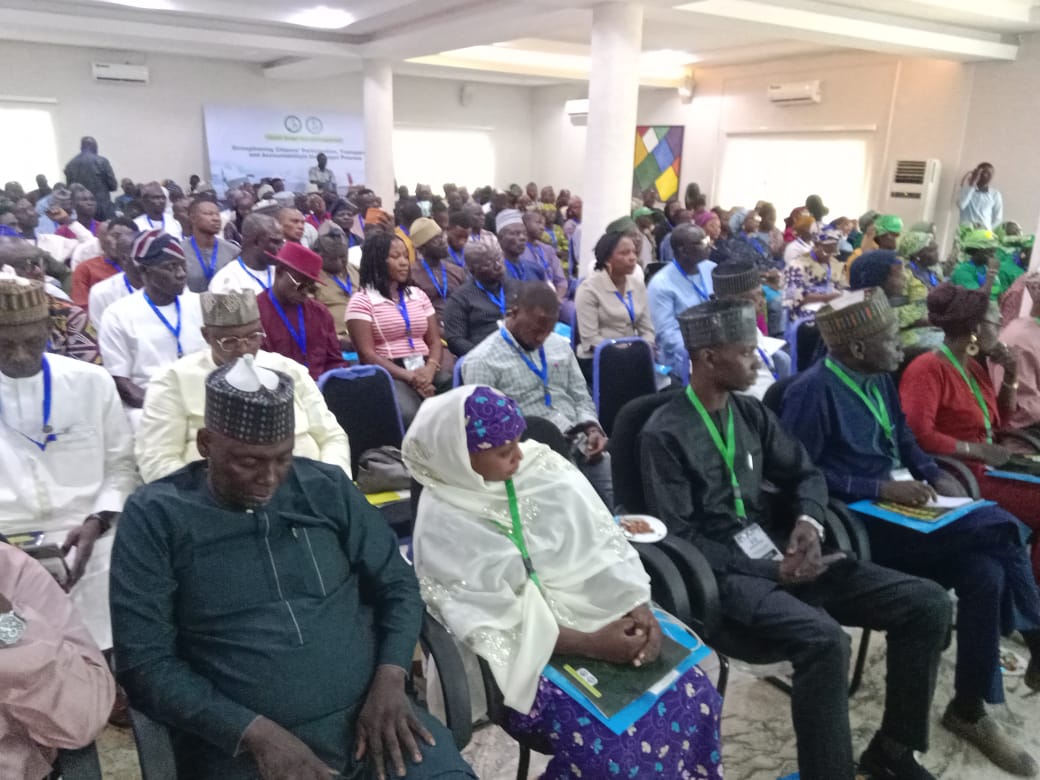
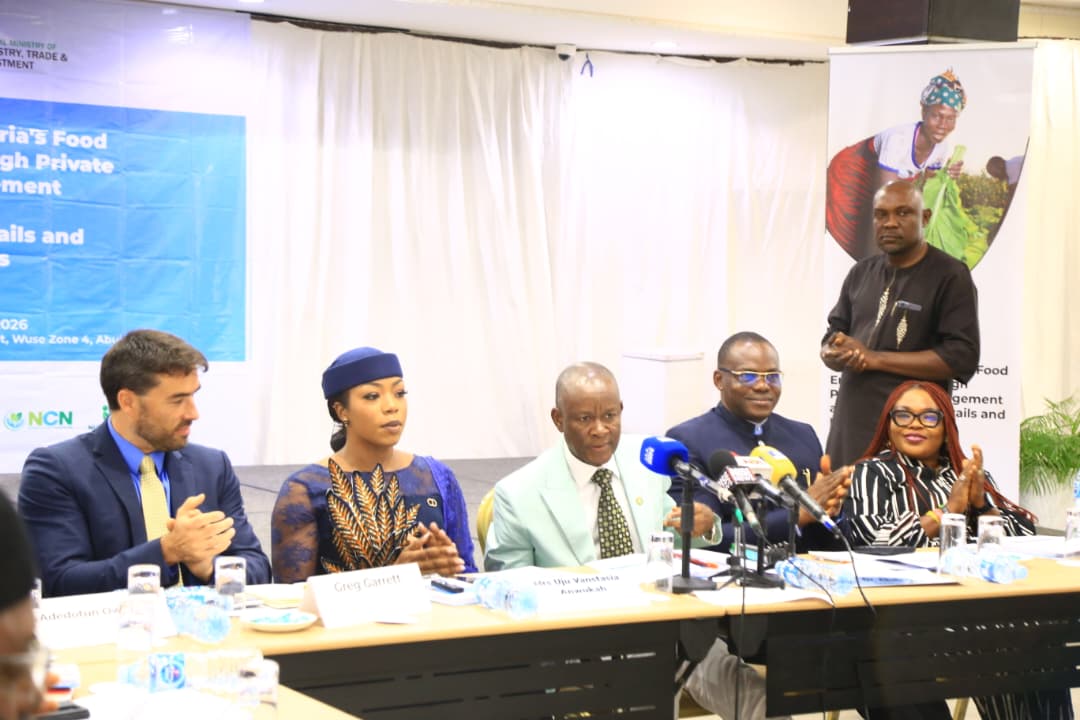
The summit brought together stakeholders from INEC, the Nigeria Police, the NSCDC, civil society groups and policymakers, with discussions centered on strengthening electoral security, enforcing campaign finance regulations and restoring public confidence in Nigeria’s electoral system.
As the nation prepares for the next round of elections, the message from the Electoral Integrity Summit held in Abuja was clear: the integrity of the ballot remains the true test of Nigeria’s democracy.