History was made in Oyo as His Imperial Majesty, Oba Abimbola Akeem Owoade I, the Alaafin of Oyo, presided over the maiden edition of the Oyo World Congress, a landmark gathering that reawakened cultural pride, unity, and collective purpose among sons and daughters of Oyo across the globe.
The week-long celebration, which was held December 21-27th, stood as more than a ceremonial event; it was a deliberate reconnection with Oyo’s storied past and a strategic reimagining of its future in a rapidly changing world.
From the outset, the Congress carried the weight of history, drawing together traditional institutions, professionals, youth groups, development advocates, and members of the Oyo diaspora under a single unifying banner.
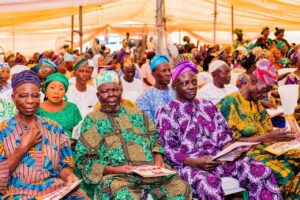
The presence of the Alaafin throughout the programme lent the Congress royal authority and moral legitimacy, reinforcing the throne’s enduring role as the custodian of Yoruba heritage and values.
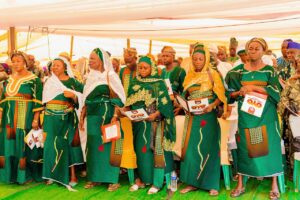
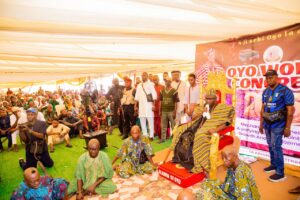
At the grand finale, Oba Abimbola Akeem Owoade I offered heartfelt goodwill messages to Oyo sons and daughters at home and abroad, invoking royal prayers for peace, prosperity, and long life.
The Alaafin urged the people to see unity not as a slogan, but as a sacred obligation essential to restoring Oyo’s place as the cultural heartbeat of Yorubaland.
He stressed that no community can achieve lasting development without harmony, mutual respect, and a shared vision anchored in its history.
In a moment that drew loud applause, the Alaafin formally endorsed the Oyo World Congress as an annual programme, affirming that the initiative aligns with the long-term cultural and developmental aspirations of the Oyo Kingdom.
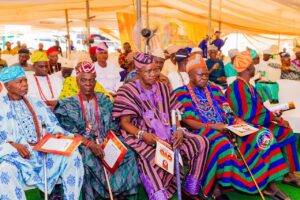
His acceptance of the Congress as a yearly event marked a turning point, transforming it from a symbolic gathering into a permanent institutional platform for dialogue, planning, and collective action.
The Alaafin described the Congress as a bridge between generations, a space where elders transmit wisdom, youths find direction, and professionals deploy expertise for communal advancement.
The six-day programme opened on a humanitarian note with a large-scale medical outreach that attended to more than 5,000 people across communities.
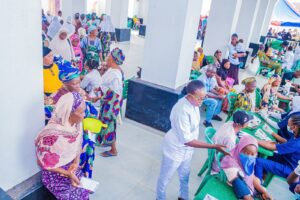
Free medical consultations, treatments, and the distribution of palliatives, particularly for children and vulnerable groups, underscored the Congress’s people-centred philosophy.
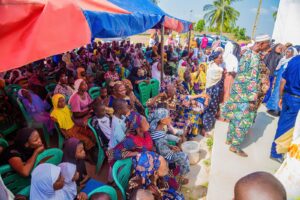
This outreach reflected a deep understanding that cultural revival must go hand in hand with social responsibility and human welfare.
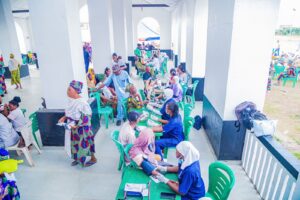
Beyond healthcare, the Congress unfolded through a series of culturally and socially symbolic events designed to promote unity and collective consciousness.
The Ẹ̀rẹ̀ Ayọ̀ Olópọn celebration rekindled joy, identity, and traditional expression, reminding participants of the emotional and spiritual power of shared heritage.
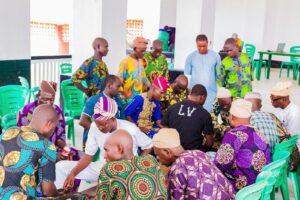
The Oyo Walk for Peace and Unity served as a visible demonstration of solidarity, as citizens from different backgrounds marched together in a symbolic rejection of division and discord.

Intellectual depth was added through the Oyo Developmental Summit, where stakeholders engaged in frank discussions on governance, education, investment, and sustainable development.

These conversations reflected a growing awareness that Oyo’s future must be shaped intentionally through planning, innovation, and collaboration.
The grand finale crowned the week’s activities, drawing a large and diverse audience to witness a defining moment in Oyo’s contemporary history.
Prince Sheriff Adebayo-Onisile delivered the keynote address, offering a sweeping and intellectually rich exploration of Oyo’s past, present, and future.
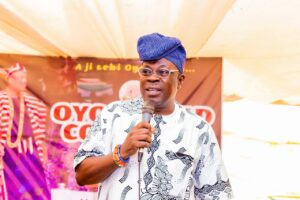
He traced Oyo-Alaafin’s influence from the pre-colonial era, when the empire stood as one of Africa’s most sophisticated political systems, to its post-colonial role in shaping Yoruba identity and governance.
According to Prince Onisile, Oyo was not merely a kingdom, but the intellectual and political engine room of Yoruba civilization.
He described the Alaafin institution as a stabilising force that historically balanced power, tradition, and accountability through well-defined governance structures.
Prince Onisile emphasized that Oyo’s greatness was never accidental; it was built on discipline, innovation, strategic leadership, and collective responsibility.
He reminded the audience that even during periods of decline, Oyo’s resilience lay in its ability to adapt without losing its cultural soul.
Central to his address was a powerful call for unity, which he described as the most urgent requirement for Oyo’s renaissance.
He warned that internal divisions, apathy, and historical amnesia pose greater threats than external challenges.
According to him, the Oyo World Congress offers a timely opportunity to restore a unified voice and collective direction for the people.
Prince Onisile proposed a pragmatic, problem-solving framework for addressing Oyo’s challenges, anchored on cultural renewal, economic collaboration, and strategic investment.
He envisioned the Congress as a standing platform for mobilising resources, attracting industries, and influencing policy in favour of Oyo land.
A significant portion of his address focused on economic identity, particularly the revival of traditional Yoruba crafts.
He noted that Oyo’s ancestors built global reputations through skill-based industries long before modern industrialisation.
He called for renewed investment in calabash carving, aṣọ òfì weaving, bronze and iron smithing, talking drum making, basket weaving, and clay pottery.
These crafts, he said, are not relics of the past but viable economic assets capable of creating jobs and promoting cultural tourism.
Prince Onisile argued that reconnecting with these crafts would restore pride, self-reliance, and economic dignity among the people.
His address resonated deeply with the audience, particularly younger participants seeking a meaningful connection between heritage and opportunity.
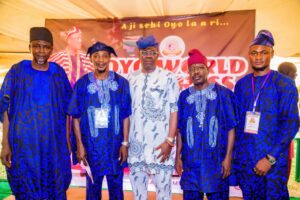
In his royal remarks, Alaafin commended the organisers of the Oyo World Congress, coordinated under the consulting firm of Olarich Multitrade International.
He specifically acknowledged member’s of the committee for their dedication, vision, and commitment to the advancement of Oyo land.
Alaafin praised their selfless service and described the Congress as an example of how private initiative can complement traditional leadership.
He urged the organisers to sustain the momentum and ensure that future editions build on the strong foundation already laid.
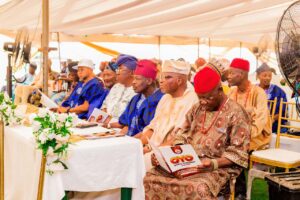
The Congress, he said, should evolve into a reference point for cultural diplomacy, development planning, and diaspora engagement.
Participants departed with renewed pride in their identity and a clearer understanding of their collective responsibility to Oyo’s future.
The maiden Oyo World Congress Week did more than celebrate culture; it restored confidence, rekindled unity, and charted a pathway toward sustainable development.
With royal endorsement and growing public support, the Oyo World Congress now stands poised to become a lasting institution, one that will annually remind the world that Oyo’s history is alive, its people united, and its future firmly in their hands.