By: Goodluck E.Adubazi,
Abuja.
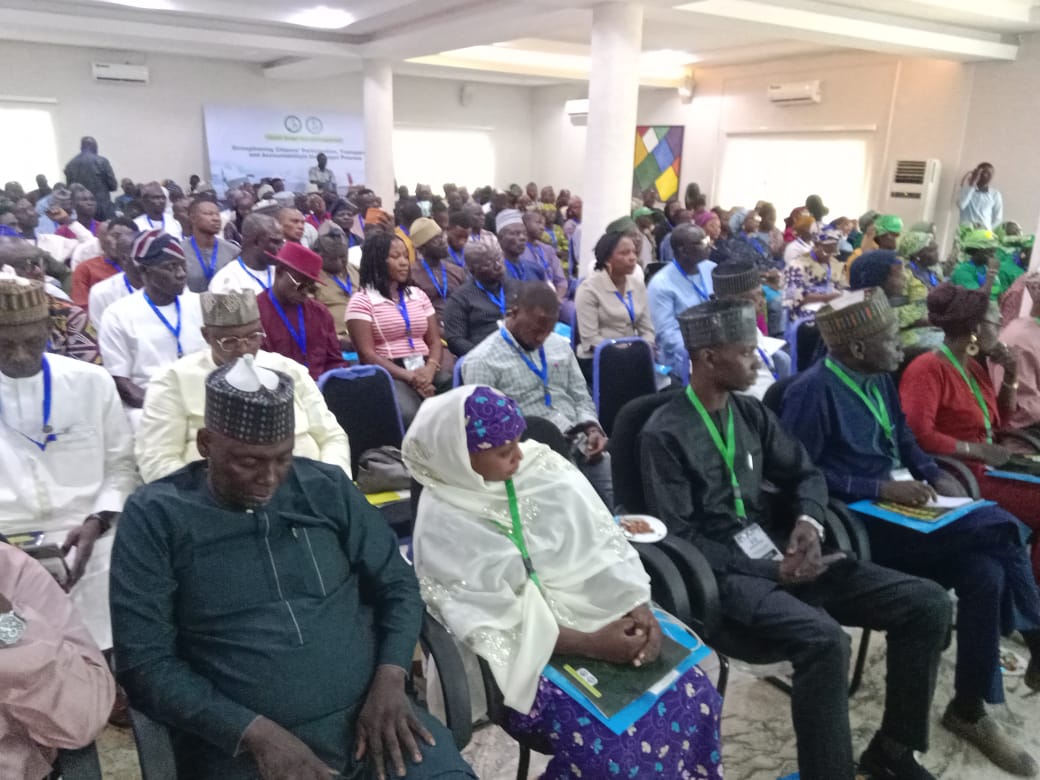
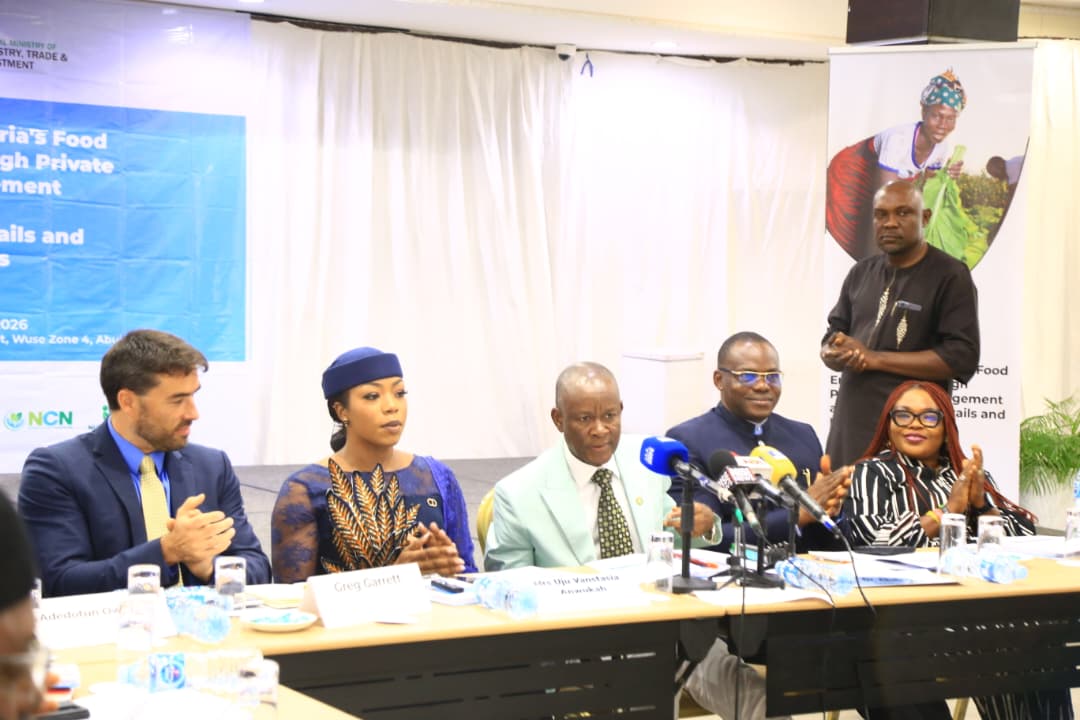
Key stakeholders from across Nigeria’s governance, security, and development sectors convened in Abuja on Monday for a high-level engagement aimed at tackling misinformation, disinformation, and hate speech through sustained community-led action.
The one-day meeting, themed “From Awareness to Action: Sustaining Community-Led Response to Misinformation, Disinformation and Hate Speech in Nigeria,” was organized by the Centre for Democracy and Development (CDD) in partnership with UK International Development, SPRiNG, and Tetra Tech.
The event also served as the end-of-project dissemination meeting to evaluate the impact of the Strengthening Information Literacy and Social Cohesion (StILAC) initiative.
Participants included representatives from security agencies, the United Nations Women, the British High Commission, government institutions, and traditional rulers, all of whom assessed the project’s outcomes across Plateau, Benue, Kaduna, and Katsina states.
Speaking at the event, the UN Women Representative to Nigeria, Beatrice Eyong—represented by Peter Mancha, Programme Specialist on Women, Peace and Security—emphasized that building trust is central to sustaining community-led responses. She highlighted the critical role of traditional rulers and the importance of inclusivity, particularly the involvement of women in peacebuilding processes.
“You cannot achieve sustainable community-led responses without traditional rulers,” she said, adding that empowering women and strengthening trust are essential to resolving conflicts.
Eyong also called for a strategic shift from peacekeeping to peacebuilding, urging stronger investment in early warning systems.
The National Orientation Agency (NOA) underscored the role of misinformation in fueling insecurity, noting that weak social cohesion erodes trust among citizens.
The agency reaffirmed its commitment to promoting national values and collaborating with stakeholders to curb harmful narratives at the grassroots level.
Similarly, the Nigeria Security and Civil Defence Corps (NSCDC) identified misinformation and hate speech as key drivers of insecurity nationwide. Traditional leaders at the meeting praised the initiative, citing noticeable improvements in their communities.
His Royal Highness, Sada Muhammad Sada, District Head of Dutsinma in Katsina State, commended the project for changing negative narratives, stating that communities are “better off today” due to the intervention.
In her presentation, Mary Okpe, Head of Programmes at CDD West Africa, revealed that the project, which ran from August 2025 to March 2026, engaged over 561 respondents across 12 communities. She noted increased stakeholder capacity to identify, verify, and counter harmful narratives, leading to reduced misinformation.
However, she acknowledged challenges including gaps between awareness and action, limited use of Community Dialogue Committees (CDCs), and low youth participation.
Recommendations included strengthening behavioral change strategies, expanding youth engagement, and improving inclusion of persons with disabilities.
Earlier, CDD West Africa Director, Dr. Dauda Garuba, described misinformation and hate speech as major threats to democratic stability and social cohesion. He emphasized the importance of grassroots engagement, noting that resilient democracies must be built within communities.
“Democratic resilience cannot be built solely from the top; it must be anchored within communities,” Garuba said, adding that empowered communities serve as critical platforms for dialogue, early warning, and conflict prevention.
Experts at the event also stressed the need for continued engagement. Professor Jibril Ibrahim highlighted the importance of building societal resilience against hate speech, while Professor Steve Abah advocated for community theatre as a tool for inclusive dialogue and mobilization.
The meeting concluded with calls for the continuation and expansion of the initiative, as stakeholders expressed optimism that community-led approaches would help curb harmful narratives, particularly as Nigeria prepares for upcoming general elections.
The event featured panel discussions and cultural performances, marking the close of the project’s first phase and reinforcing a collective commitment to peacebuilding and social cohesion nationwide.