By: Goodluck E.Adubazi, Abuja.
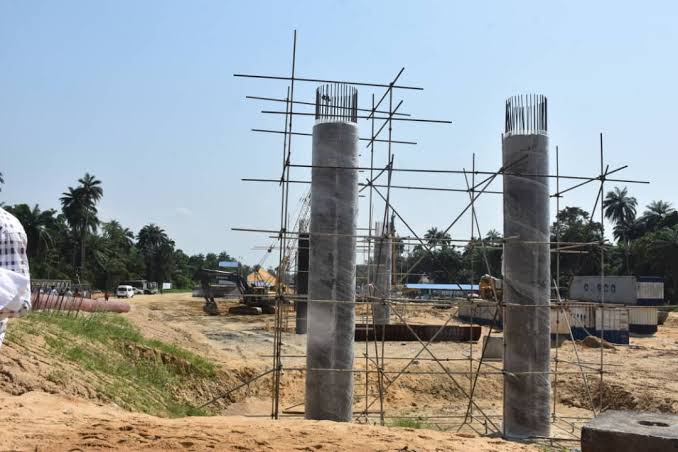
The Kogi State Government has unveiled plans to raise ₦50 billion through a Sukuk bond issuance to finance the construction of a Kogi State International Airport and the Lokoja International Market, in what it describes as one of the most ambitious infrastructure drives in the state’s history.
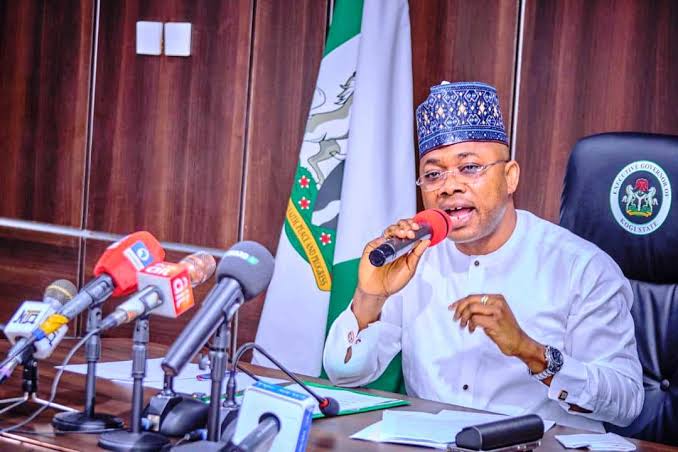
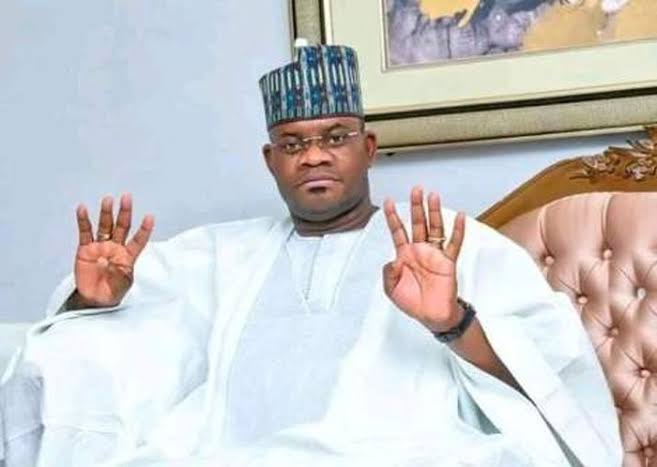
Governor Ahmed Usman Ododo disclosed the plan during a high-level investment forum in Abuja attended by representatives of the Nigerian capital market, fund managers, issuing houses, regulators, development finance institutions and prospective investors.
The meeting marked Kogi State’s formal entry into the Sukuk market as it seeks alternative, non-interest financing for large-scale infrastructure.
Speaking on behalf of the governor, the Commissioner for Finance, Budget and Economic Planning, Asiwaju Ashiru Idris, said the decision to approach the capital market was strategic and proactive, not a response to fiscal pressure.
“Permit me to be very specific on the purpose of the proposed ₦50 billion Sukuk bond. The bond is strictly asset-backed and dedicated to financing two transformational infrastructure projects of strategic economic importance to Kogi State—the development of the Kogi State International Airport and the completion of the Lokoja International Market,” he said.
According to Ododo, the proposed international airport is expected to reposition Kogi as a logistics and investment hub at the heart of Nigeria, given its unique geographic location linking the North, South, East and West.
He said the facility would enhance the movement of goods and people, attract private capital, support agro-exports, ease business travel and strengthen the state’s competitiveness in regional and national commerce.
The Lokoja International Market, the governor added, is designed to become a major commercial nerve centre for the state and surrounding regions. When completed, it is expected to formalise trading activities, boost internally generated revenue, create thousands of direct and indirect jobs and deepen urban economic activity in the state capital.
Ododo emphasised that the projects are anchored on a broader development vision, noting that Kogi State operates under a 32-year development plan that ensures long-term direction, policy consistency and predictability in public investment.
“Our budgeting, borrowing and project execution are guided by this plan. We are deliberate about what we finance, how we finance it and the economic returns we expect,” he said.
Addressing concerns about debt sustainability, the governor reaffirmed his administration’s commitment to fiscal discipline, transparency and governance reforms, pointing to recent independent assessments of the state’s finances.
“Kogi State has been assigned a ‘B’ rating with a stable outlook by Fitch Ratings. This reflects improved financial management, a prudent debt posture and a strengthening capacity to meet debt service obligations,” he noted.
He also highlighted that, in addition to federal allocations and internally generated revenue, Kogi now benefits from 13 per cent derivation revenue following its recognition as an oil-producing state, further strengthening its revenue base.
Assuring potential investors, Ododo stressed that the Sukuk structure aligns fully with ethical and Islamic finance principles, as the funds will be tied strictly to identifiable, revenue-supporting assets.
“The proceeds will not be applied to recurrent expenditure, but to infrastructure that expands productivity, stimulates commerce and strengthens the state’s long-term repayment capacity,” he said.
Also speaking at the forum, a member of the advisory team and Managing Director of AVA Capital Group, Kayode Fadahunsi, described the offer as a model infrastructure Sukuk.
“These are revenue-generating projects that can literally pay themselves down. This is not borrowing for consumption but for assets that will expand Kogi State’s internally generated revenue,” he said.
The proposed Sukuk will be structured as a senior unsecured Ijara Sukuk, issued at ₦1,000 per unit, with a total programme size of ₦50 billion and a tenure of between five and seven years. The offer will be distributed through a book-building process to optimise rental rates, with a minimum subscription of ₦5 million.
With the planned issuance, Kogi State joins a growing list of sub-national governments turning to Sukuk financing to bridge Nigeria’s vast infrastructure gap while maintaining fiscal prudence.