By: Goodluck E.Adubazi, Abuja.
The Federal Government has established a dedicated Brain Health Desk within the Federal Ministry of Health and Social Welfare to coordinate national efforts on the prevention, diagnosis, treatment and rehabilitation of neurological disorders.
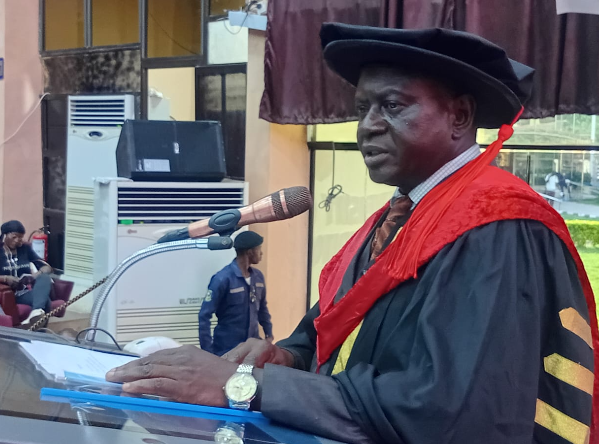
The announcement was made on Wednesday in Abuja by the Permanent Secretary, Federal Ministry of Health and Social Welfare, Kachollom Shangti Daju, who represented the Minister of Health and Coordinating Minister of Health and Social Welfare, Professor Muhammad Ali Pate, at the commemoration of World Brain Day 2026.
The event, held at the Reiz Continental Hotel, Abuja, marked the first time Nigeria was officially commemorating World Brain Day through the Federal Ministry of Health and Social Welfare, in collaboration with relevant partners.
The 2026 commemoration was held under the theme: “Brain Health, Access for All.”
Daju said the establishment of the Brain Health Desk was part of the Federal Government’s efforts to strengthen national leadership and coordination on brain health.
According to her, the desk will provide leadership on policy, partnerships, advocacy, research and capacity building, while coordinating efforts to improve prevention, early diagnosis, treatment, rehabilitation, surveillance and long-term support for people living with neurological disorders.
She said the initiative would involve collaboration with relevant departments of the ministry, specialist hospitals, federal teaching hospitals, professional associations, academia, development partners, civil society organisations and the private sector.
Daju said more than 3.4 billion people, representing over 40 per cent of the global population, are living with neurological conditions, making such disorders the leading cause of disability worldwide.
She, however, noted that despite significant advances in neuroscience and medicine, millions of people continue to face delayed diagnosis, inadequate treatment and limited access to specialised care.
“Nigeria is not insulated from this challenge. Stroke, epilepsy, dementia, Parkinson’s disease, traumatic brain injuries and neurodevelopmental disorders continue to impose a growing burden on individuals, families and our health system,” she said.
The Permanent Secretary noted that stroke remained one of the leading causes of death and long-term disability, while dementia was becoming an increasing concern as the population ages.
She also expressed concern over the stigma and discrimination faced by people living with epilepsy and other neurological conditions, stressing the need for improved public awareness and access to quality care.
Daju further called for stronger integration of mental health services into primary healthcare, noting that many neurological conditions are accompanied by mental health challenges, including depression and anxiety.
She said the Federal Government was investing in strengthening the health system through the revitalisation of primary healthcare, expansion of access to quality healthcare, improvement of the health workforce and advancement of mental health services under the National Mental Health Programme.
She added that the initiatives were being implemented in line with the Renewed Hope Agenda of President Bola Ahmed Tinubu and the Nigerian Health Sector Renewal Investment Initiative.
According to her, brain health should not be regarded as a privilege for a few, but as a fundamental component of universal health coverage that must be accessible to all Nigerians, regardless of age, gender, income or geographical location.
“Healthy brains drive learning, innovation, productivity, healthy ageing and stronger communities. Brain health is not merely a health priority; it is an investment in Nigeria’s human capital, economic resilience and sustainable development,” she said.
Daju said Nigeria would also commence the development of its first national framework aimed at strengthening brain health and ensuring a coordinated response to neurological disorders across the country.
She reaffirmed the Federal Ministry of Health and Social Welfare’s commitment to saving lives, reducing physical and financial hardship and achieving better health outcomes for all Nigerians