By: Goodluck E.Adubazi, Abuja.
A coalition of civil society organisations (CSOs), including the Nigeria Labour Congress (NLC), Civil Society Legislative Advocacy Centre (CISLAC), BudgiT, Impact – Bridge, ActionAid Nigeria, and other advocacy groups, has issued a strong warning to President Bola Ahmed Tinubu, accusing his administration of endangering citizens’ livelihoods through persistent breaches of Nigeria’s fiscal laws.
At a press conference held in Abuja, on Tuesday, April 7, 2026, at the External Conference Hall, ActionAid, Abuja, the Coalition of the Civil Society group raised alarm over what it described as “systemic failures” in the country’s public finance management, citing lack of transparency, delayed budgeting processes, weak accountability, and disregard for constitutional provisions.
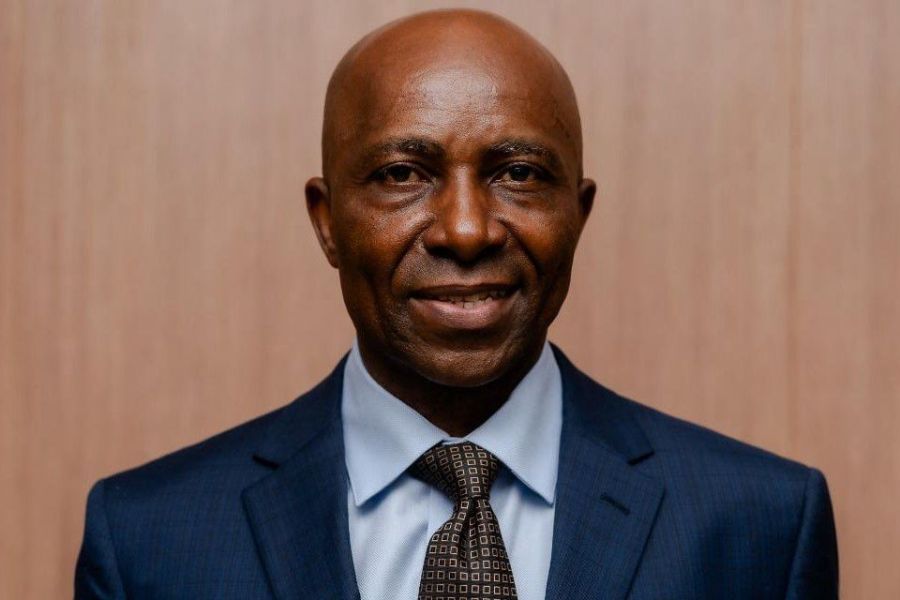
Speaking on behalf of the coalition, Celestine Okwudili Odo of ActionAid Nigeria Programme and Policy said recent developments in budgeting, debt management, and fiscal policy direction call into question the commitment of both the executive and legislative arms of government to uphold the Constitution of the Federal Republic of Nigeria 1999 and the Fiscal Responsibility Act.
According to the CSOs, these violations are not minor technical issues but serious infractions that undermine democratic accountability, macroeconomic stability, and public trust.
The coalition criticized the late submission of the Medium-Term Expenditure Framework (MTEF) and the 2026 budget proposal, noting that the MTEF for 2026–2028 was presented far behind schedule in December 2025 instead of July, as required by law.
They further alleged that, as of April 7, 2026, the 2026 national budget had neither been duly approved by the National Assembly nor signed into law by the president—describing the delay as a violation of Nigeria’s financial year provisions, which run from January 1 to December 31.
The absence of an approved MTEF in the public domain, they added, represents a breach of transparency obligations and raises concerns about the credibility of the budgeting process.
The CSOs also questioned reports of a proposed increase in the 2026 budget from ₦58.4 trillion to ₦68 trillion—an additional ₦9 trillion—without clear revenue sources.
They warned that financing such an expansion through borrowing would deepen Nigeria’s already high debt burden, while relying on uncertain oil windfalls—possibly linked to geopolitical tensions such as the Israel–Iran conflict—would amount to risky and speculative fiscal planning.
“This raises serious fiscal risks, including inflation, debt vulnerability, and reduced private sector investment,” the coalition stated.
Beyond budgeting concerns, the CSOs highlighted a pattern of governance challenges, including poor implementation of capital projects, lack of public participation in fiscal processes, and weak oversight of state-owned enterprises.
They also pointed to pressing national issues such as high fuel costs, inefficiencies in state-owned refineries, and persistent electricity supply problems as symptoms of deeper institutional failures.
According to the coalition, weak enforcement of fiscal rules and absence of sanctions for violations have entrenched a culture of impunity in Nigeria’s public finance system.
The group called for sweeping reforms across budgeting, debt management, and public sector accountability. Key recommendations included stricter adherence to fiscal laws, improved transparency, and independent audits of public spending—particularly in the electricity sector.
They also urged the government to hold power distribution companies accountable for infrastructure investments and service delivery.
Concluding their address, the CSOs warned that Nigeria faces a critical choice between strengthening a rule-based fiscal system or continuing down a path of opaque and discretionary governance.
“We urge all arms of government to act decisively to restore integrity, discipline, and public trust in Nigeria’s public finance management system,” the coalition said.
The statement underscores growing public concern over the country’s economic direction and places renewed pressure on the Tinubu administration to demonstrate fiscal responsibility and transparency.