By: Goodluck E. Adubazi, Abuja.
ActionAid Nigeria has warned that the country is facing a deepening development crisis, with World Bank projections indicating that more than 138 million Nigerians will be living in poverty by 2025. The organisation says only bold, youth-led action can reverse the trajectory.
Recently marking 25 years of impactful work in Nigeria, ActionAid convened a two-day Development Forum on Tuesday for 300-level Political Science students at the University of Abuja, focusing on youth leadership, climate change, corruption, digital skills, and employability. The event, held on December 2–3, 2025, aimed to prepare young people for life beyond the university classroom.
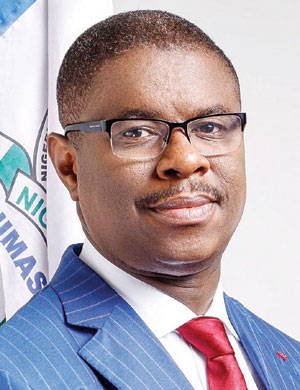
Speaking at the forum, Country Director of ActionAid Nigeria, Dr. Andrew Mamedu, represented by Head of Programme and Policy, Celestine Odo, said the organisation remains committed to ending poverty by empowering young people to confront the realities shaping Nigeria’s future.
Odo noted that at COP30 in Brazil, young activists demonstrated unprecedented resilience, insisting on climate justice even as wealthy nations failed to meet global climate finance commitments. “Communities in countries like Nigeria continue to bear the heaviest brunt of floods, droughts, heatwaves, food insecurity, and displacement,” he said. “Yet something powerful stood out at COP30: young people refused to be silent.”
The Poverty Crisis,
Odo highlighted that Nigeria’s development challenges remain rooted in weak governance and chronic underinvestment in education, healthcare, infrastructure, and rural development.
Nearly 70% of Nigerians live in rural areas, many of whom remain cut off from essential services.
According to him, ActionAid’s Citizens’ Action Plan to End Poverty and Injustice (2024–2034) places young people at the centre of campaigns for accountability, inclusive governance, and climate-resilient livelihoods.
He warned that the situation remains alarming:
139 million Nigerians projected to live in poverty by 2025 —World Bank
33 million facing acute food insecurity — UN
2.2 million people displaced by conflict in the Northeast
Floods affected hundreds of thousands in 2025 alone
“Inflation may have eased slightly,” Odo said, “but unemployment remains dangerously high, and the cost of living continues to rise.”
Closing the Gap Between “Town and Gown”
The Development Forum, he explained, was designed to bridge the disconnect between academic research and real-world governance challenges.
Over two days, participants will engage with topics including:
research and evidence tools,
AI and digital skills,
online organizing for national discourse, and
navigating the evolving digital economy.
“These skills matter not just because the world is changing fast,” he said, “but because young people are already driving many of the conversations that will define the future.”
ActionAid’s climate justice strategy focuses on empowering those most affected by climate impacts.
The organisation is strengthening youth hubs and community structures to engage more confidently in climate advocacy, while deepening partnerships with farmers’ groups, women’s organisations, and grassroots networks.
“Everything rests on a simple truth: when young people lead, society moves,” Odo said.
With nearly 70% of Nigeria’s population under age 30, Odo described the country’s youth as its “defining advantage.”
“This is not the time to sit back and wait for change,” he urged. “You have the collective strength, creativity, and vision to transform systems and hold leaders accountable.”
He encouraged the students to reflect on their civic responsibilities, confront community challenges, and imagine a more just and inclusive future for Nigeria.
“The power to shift the trajectory of this nation lies not in distant institutions,” Odo said, “but in all of you gathered here today.”