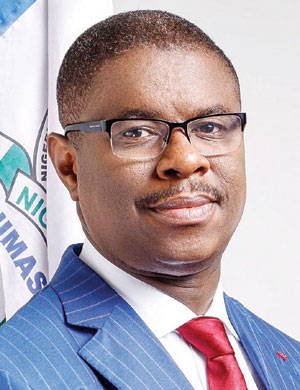
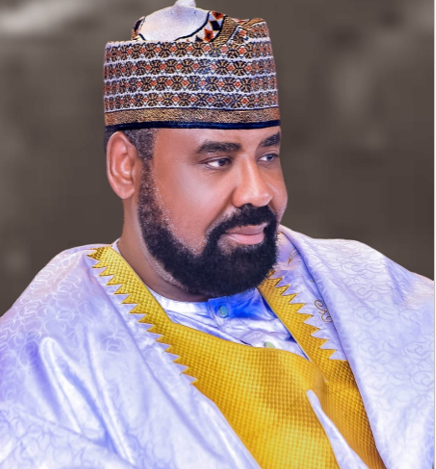
Human capital development has suddenly become one of the most fashionable phrases in the political conversation in Gombe State.
Across the political landscape, some governorship aspirants are promising the people that, if given the opportunity to govern, they will prioritise human capital development. They speak about education, employment, skills acquisition, empowerment, entrepreneurship and creating opportunities for young people.
These are important commitments. But there is a fundamental question the people should ask: Who has actually been doing it?
If human capital development means investing in people, educating young minds, creating jobs, developing skills, building careers, supporting talent and opening doors of opportunity, then Dr Jamil Isyaku Gwamna has been doing exactly that for more than 26 years.
Perhaps the most remarkable part of his story is that he did not wait to become Governor before investing in people.
For more than a quarter of a century, largely as a private citizen and professional, Dr. Jamil has demonstrated through practical action that people are at the centre of his idea of development.
Provision of over 1,000 Jobs at the Gombe State Water Board: At the Gombe State Water Board, Jamil’s human capital footprint was significant.
From Gombe to Morocco: Investing in Education:
Jamil’s understanding of human capital development goes beyond employment.
He has consistently recognised education as one of the most powerful investments that can be made in a human being.
That conviction took 10 students from Gombe to Morocco to pursue their education. For those young people, it was more than a scholarship.
It was an opportunity to experience another country, another educational environment and a broader world of knowledge. It was an investment capable of changing the trajectory of their individual lives and, potentially, the communities from which they came.
Education has a multiplier effect. An educated and empowered young person can become a professional, an entrepreneur, an employer, a mentor and a contributor to society.
39 Students from Gombe to Kebbi:
The same commitment to education saw, Dr. Jamil support for another 39 students in Kebbi, Kebbi state, helping them pursue their studies and giving them an opportunity to build better futures through education.
Over 1,500 Jobs for Gombe Youths at KEDCO and KAEDCO
His record continued in the electricity sector
They represented men and women entering an important sector of the Nigerian economy, developing technical and administrative competencies, gaining valuable experience and building sustainable careers.
The broader impact of such employment also extends beyond the individual.
When a person gets a job, a household gains an income. When that person acquires skills and experience, the economy gains a productive worker. When many people are given such opportunities, communities begin to experience wider economic activity.
Beyond Jobs and Scholarships:
Human capital development should not be measured only by the number of people employed or students sponsored.
It is also about creating an environment in which people can discover their potential, acquire relevant skills, develop confidence and become capable of contributing meaningfully to society. Jamil’s record reflects this broader understanding.
His professional journey across major institutions has exposed him to different sectors, management systems, workforce development and the challenges of building institutions that depend on competent people.
That experience matters because effective human capital development requires more than distributing opportunities. It requires understanding how institutions work, how people are trained, how talent is retained and how individuals can be positioned to contribute to economic growth.
The Choice Before Gombe:
Ultimately, the political conversation in Gombe should not be about who can use the phrase human capital development most effectively. It should be about who has demonstrated a genuine understanding of what it means.
The people of Gombe deserve leaders who see human beings not merely as voters, but as the greatest resource of the state.
They deserve leadership that invests in young people before elections, not only during campaigns.
They deserve policies that create opportunities rather than dependency.
And they deserve to judge candidates not only by what they promise to do tomorrow, but also by what they have done yesterday.
Ibrahim Sani Shawai is the Spokesman to Dr Jamil Isyaku Gwamna.
Sept, 16, 2026.