By: Goodluck E.Adubazi, Abuja.
The International Civil Aviation Organisation (ICAO) has cautioned against any move capable of weakening the financial independence of the Nigeria Civil Aviation Authority (NCAA), warning that such action could undermine aviation safety oversight and threaten Nigeria’s compliance with global aviation standards.
The warning was delivered on Thursday during a public hearing organised by the House of Representatives Committee on Aviation at the National Assembly Complex, Abuja, over a proposed Bill seeking to review the sharing formula of the 5 per cent Ticket Sales Charge (TSC) and Cargo Sales Charge.
The proposed legislation seeks to reduce the NCAA’s share of the 5 per cent Ticket Sales Charge to about 35 per cent while increasing the allocation to the Nigerian Airspace Management Agency (NAMA) to about 70 per cent, despite NAMA already having 16 other exclusive revenue streams.
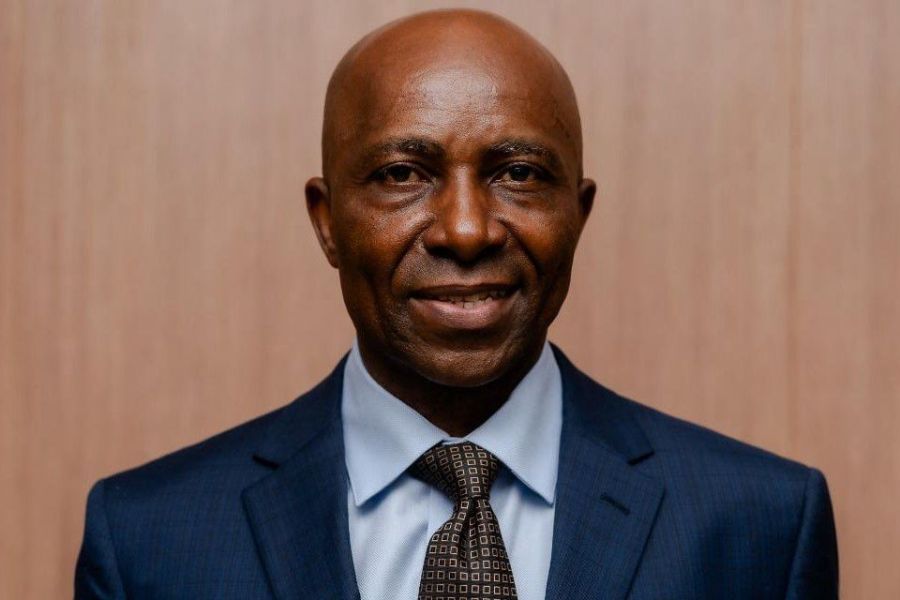
Speaking on behalf of ICAO, Nigeria’s Permanent Representative to the organisation, Engr. Mahmud Ben-Tukur, warned that treating the aviation regulator and service providers alike in the proposed funding arrangement contradicts international best practices and could seriously compromise the independence of the NCAA.
He stressed that while aviation agencies have distinct statutory responsibilities, the exclusive mandate for safety oversight of Nigeria’s civil aviation industry rests solely with the NCAA.
According to him, lumping the regulator together with service providers in the proposed revenue-sharing formula could weaken the Authority’s financial capacity, erode its independence, and ultimately impair its ability to effectively discharge its regulatory responsibilities.
The development comes amid growing concerns by aviation stakeholders that the proposed amendment could significantly weaken the NCAA, which currently derives more than 70 per cent of its revenue from the 5 per cent Ticket Sales Charge.
Industry experts at the hearing warned that if the Bill becomes law, Nigeria risks crippling its aviation regulator, leaving the sector without effective safety oversight.
They noted that the NCAA is responsible for regulating the entire aviation ecosystem, including airlines and agencies such as the Federal Airports Authority of Nigeria (FAAN), the Nigerian Airspace Management Agency (NAMA), and the Nigerian Meteorological Agency (NiMet).
According to the experts, weakening the financial base of the Authority could reduce its capacity to enforce safety standards across the industry, potentially exposing the nation’s aviation sector to increased operational and safety risks.
Adding his voice, former Nigerian representative on the ICAO Council and immediate past Director-General of the NCAA, Capt. Musa Nuhu, maintained that a safe and efficient aviation industry depends on a strong, adequately funded, and independent regulatory authority capable of carrying out effective safety oversight.
Also speaking virtually, former Nigeria’s Permanent Representative to ICAO and former President of the ICAO Assembly, Dr. Bernard Aliu, joined former Director-General of Civil Aviation, Dr. Harold Demuren, in urging lawmakers to preserve the financial autonomy of the NCAA.
The aviation veterans argued that maintaining a financially independent and adequately resourced regulator is essential to sustaining Nigeria’s aviation safety oversight system, preserving international confidence, and ensuring continued compliance with global aviation safety standards.