By: Goodluck E.Adubazi, Abuja.
The Federal Government has unveiled the Nigerian Statistical Information for Raw Materials and Products (NISSRAMP), a new data platform designed to transform industrial planning, boost manufacturing, and guide investment decisions across the country.
Director-General and Chief Executive Officer of the Raw Materials Research and Development Council (RMRDC), Prof. Nnanyelugo Ike-Muonso, described the platform as a major leap forward in Nigeria’s data infrastructure, calling it “one of the best databases available today” for decision-making in manufacturing and investment.
Speaking at a media parley on Tuesday, in Abuja, RMRDC Director General, Prof. Nnanyelugo Ike-Muonso explained that NISSRAMP represents the second generation of the council’s database system, developed to address gaps in the earlier Raw Materials Management Information System.
According to him, the previous system was limited by its static nature, lack of integration capability, and misalignment with global Harmonized System (HS) codes.
“NISSRAMP is dynamic, integrative, and continuously evolving,” he said. “It is designed to provide real-time information on raw materials across the country—their quality, characteristics, availability, and industrial value.”DG said.
The DG disclosed that the platform already integrates data from key national institutions, including the Central Bank of Nigeria, Nigerian Geological Survey Agency, National Space Research and Development Agency, Nigeria Customs Service, and the National Bureau of Statistics, alongside 16 internal RMRDC databases.
He added that ongoing nationwide testing systems will further enhance the platform, enabling real-time tracking of raw materials across different locations, thereby supporting comparative analysis and evidence-based policymaking.
While acknowledging that the platform remains a work in progress, Ike-Muonso noted that it has been opened to the public to encourage usage and feedback. “We want businesses, researchers, and government agencies to begin to take advantage of this system immediately,” he said.
Earlier, Deputy Director of the Statistics and Analysis Unit, Dr. Chunwenyi Cypril, revealed that the initiative was conceived a year ago to serve as a unified, real-time system for policy formulation, trade analysis, and resource mapping. He highlighted its capabilities in tracking import-export flows, mineral deposits, value chains, and fast-growing exports.
At the event, a live demonstration of the platform was conducted by Abidemi Adeshua, showcasing its real-time analytical features.
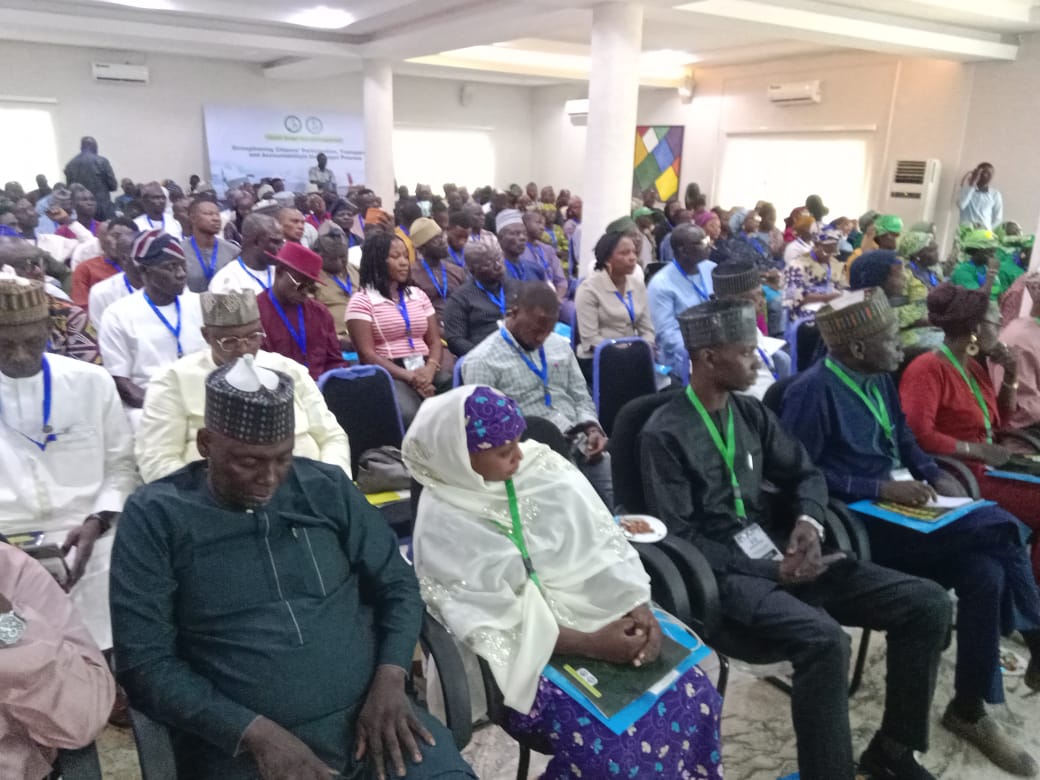
The media engagement, themed “Media Hug,” brought together journalists from major print and broadcast organizations, Including News Agency of Nigeria, Standard Times Nigeria Newspaper, Daily Trust, This Day, Business Day, Leadership, Arise News, AIT, NTA, TVC, Channels amongst others.
Director of Corporate Affairs, Mrs. Chinyere Nnamdi-Anum, described the gathering as strategic for strengthening collaboration between the council and the media.
She emphasized the importance of the media in national development, noting that recent initiatives such as the Raw Materials 360 online newspaper and RMRDC online radio have enhanced public communication on industrial growth and policy issues.
Nnamdi-Anum called for deeper partnerships with journalists to amplify awareness of the council’s initiatives, stressing that effective communication is vital to achieving economic diversification and self-reliance.
In his remarks, The RMRDC DG. Nnanyelugo Ike-Muonso urged the media to increase coverage of the council’s activities, noting that its contributions to sectors such as agriculture, healthcare, and foreign exchange stability remain underreported.
He reiterated that promoting local raw material utilization could significantly reduce import dependence, create jobs, and strengthen the naira, especially through policies like the proposed 30 percent value addition before export.
The event concluded with presentations from RMRDC directors highlighting key achievements and milestones, alongside documentary showcases of the council’s impact on Nigeria’s industrial development.