N’Assembly passes N68.3tn 2026 budget after N9tn upward review
- April 1, 2026
- 0
By: Tijani Salako, The National Assembly of Nigeria on Tuesday has approved a total budget of N68.3 trillion for the 2026 fiscal year at third reading, marking a



9621 Agnes Crossing, Lake Suzanneview, New Mexico Island 84604-9295.
By: Tijani Salako, The National Assembly of Nigeria on Tuesday has approved a total budget of N68.3 trillion for the 2026 fiscal year at third reading, marking a
By: Tijani Salako,
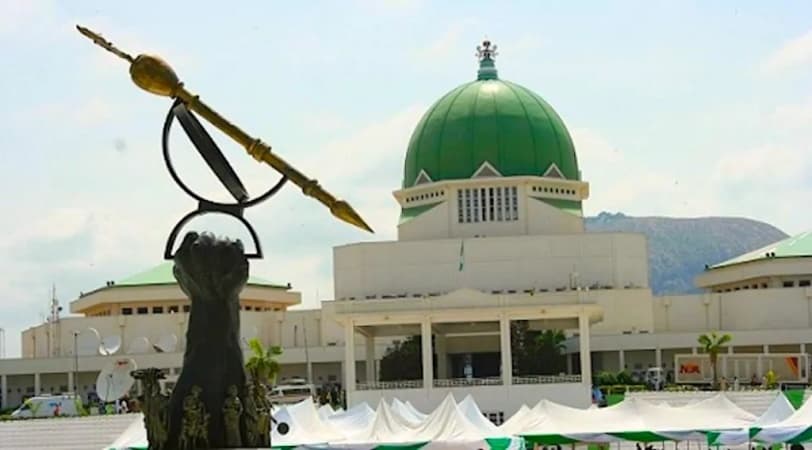
The National Assembly of Nigeria on Tuesday has approved a total budget of N68.3 trillion for the 2026 fiscal year at third reading, marking a significant increase of N9 trillion over the N58.47 trillion initially proposed by Bola Tinubu in December 2025.
The upward revision reflects adjustments made by the executive and endorsed by lawmakers following legislative scrutiny of the appropriation bill.
Passage of the budget followed the adoption of harmonised reports by the Committees on Appropriations in both chambers, the Senate and the House of Representatives after weeks of deliberation.
Presenting the report in the Senate, Chairman of the Appropriations Committee, Olamilekan Adeola, said the increase was driven largely by outstanding unfunded capital obligations and the inclusion of priority projects omitted in the initial proposal.
Senator Adeola disclosed that the revisions captured ₦5.71 trillion in unfunded obligations from the 2025 Appropriation Act and an additional ₦2 trillion for critical capital projects across various sectors nationwide.
The lawmaker further noted that the budget provides ₦478.60 billion as the Federal Government’s equity contribution under the Ministry of Finance Incorporated (MOFI) framework for Presidential Legacy Light Rail projects in Lagos, Kano, Kaduna, and Ogun States, alongside feasibility studies for Enugu and Maiduguri urban rail systems.
Additional provisions include ₦8.96 billion for feasibility studies covering the Calabar–Maiduguri corridor and the Maiduguri–Sokoto superhighway under the Tinubu National Beltway Initiative.
The budget also allocates approximately $344.83 million, equivalent to ₦482.76 billion, for priority health sector interventions tied to existing bilateral commitments.
In the judiciary, lawmakers approved ₦98.50 billion for the Court of Appeal and ₦36.7 billion for the Supreme Court, alongside ₦268.54 billion to restore the judiciary’s budget ceiling and accommodate the planned appointment of additional judicial officers ahead of the 2027 general elections.
A breakdown of the approved budget shows ₦4.79 trillion for statutory transfers, ₦15.4 trillion for recurrent (non-debt) expenditure, ₦32.2 trillion for capital projects, and ₦15.8 trillion earmarked for debt servicing.
Adeola added that the oil price benchmark was raised from $65 to $75 per barrel, while other macroeconomic assumptions remain in line with projections contained in the 2026–2028 Medium-Term Expenditure Framework.
Lawmakers, however, stressed the need for strict implementation, urging the executive to address delays in fund releases that affected the 2025 budget cycle and ensure the 2026 budget delivers tangible impact.
In his remarks, Senate President Godswill Akpabio expressed optimism that effective implementation would help reposition the economy and move the country “out of the doldrums.”
Meanwhile, the National Assembly also approved an extension of the capital component of the 2025 Appropriation Act, shifting the implementation deadline from March 31 to June 30, 2026.
The extension followed the passage of an amendment bill aimed at allowing more time for the release and utilisation of funds for capital projects by ministries, departments and agencies.
Lawmakers said the move was necessary to ensure effective execution of ongoing projects, building on an earlier extension granted in December 2025 when the capital component deadline was first moved forward.