By: Goodluck E.Adubazi: Abuja.
The Petroleum and Natural Gas Senior Staff Association of Nigeria (PENGASSAN) has described Executive Order 9, 2026, signed by President Bola Ahmed Tinubu, as a direct attack on the Petroleum Industry Act (PIA), warning that the directive could destabilize the nation’s oil and gas sector.
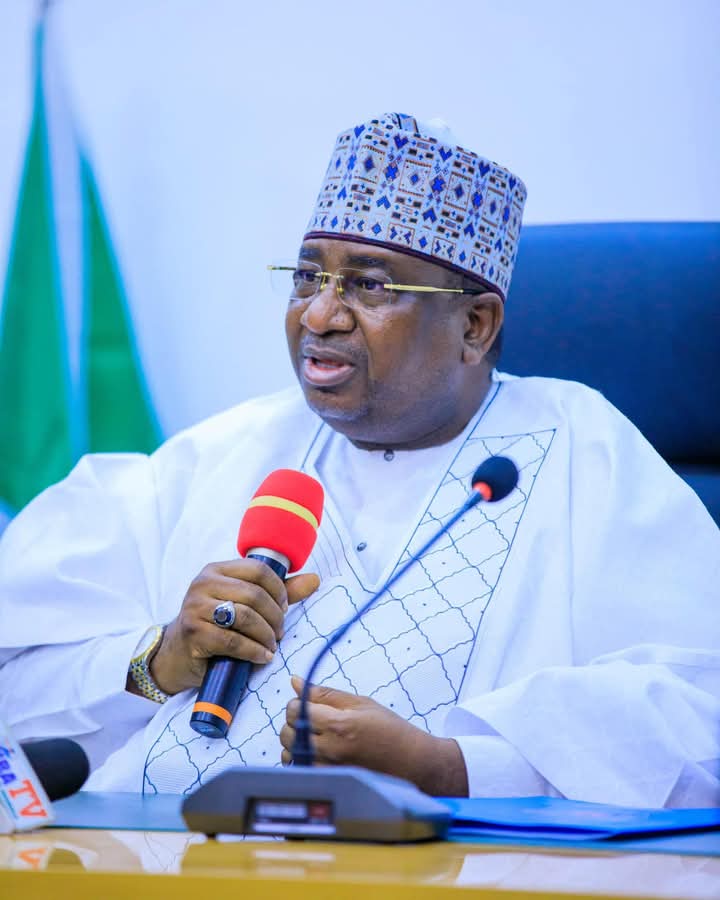
PENGASSAN President, Festus Osifo, made the declaration on Tuesday during the union’s National Executive Council (NEC) meeting held at the PTDF Towers in Abuja.
Osifo said the union reviewed the newly released Executive Order and concluded that some of its provisions undermine the PIA. He argued that if the Federal Government intends to amend existing laws, such changes should be forwarded to the National Assembly for proper legislative debate and stakeholder engagement.
“From our assessment, the provisions of this order are a direct attack on the PIA,” Osifo stated.
A major concern raised by the union revolves around the directive reportedly moving 30 percent of profit oil allocations to the Federation Account Allocation Committee (FAAC), a move Osifo said could disrupt the funding structure of Nigerian National Petroleum Company Limited.
According to him, about 100 PENGASSAN members are directly involved in profit oil computations within NNPC Limited. Their salaries, he explained, are funded through management fees derived from the 30 percent share of profit oil.
He clarified that profit oil is calculated after deducting royalties, taxes, and cost recovery from total revenue, leaving a residual known as profit oil. The 30 percent allocation, he said, translates to approximately 1.5 to 2.5 percent in practical terms.
“With this fund now moved to FAAC, what arrangement is in place to ensure that the management fee is returned to NNPC to pay salaries?” Osifo queried.
He stressed that the union’s immediate interest is to safeguard its members’ jobs and ensure uninterrupted salary payments.
Warning on Economic Stability
Beyond staff welfare, Osifo warned that instability in the oil and gas industry could negatively impact Nigeria’s foreign exchange earnings, weaken the naira, and fuel inflation.
“If foreign exchange earnings are affected, it will impact the value of the naira, and that will further worsen inflation. Inflation is one evil no nation wishes for,” he said.
He added that while government officials often highlight declining inflation rates and improving foreign reserves, the reality for average Nigerians remains harsh.
“It is easy to celebrate that inflation is dropping or that exchange rates are improving, but reducing from where? How has that translated to food on the table or improved disposable income for workers?” he asked.
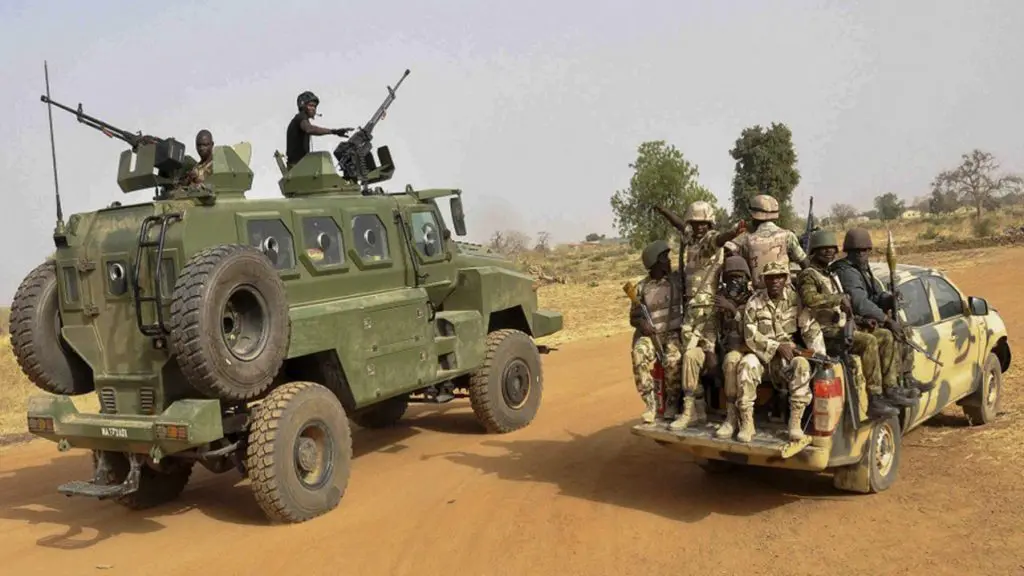
On insecurity, the PENGASSAN president described the situation as a “state of emergency,” urging the Federal Government to deploy more technology and increase funding for security operations.
He called for reduced spending in other sectors and greater investment in sophisticated weapons to combat banditry and terrorism.
“Nigerian lives should count. The loss of a single individual anywhere in the country should concern us all,” Osifo said, urging authorities to focus less on rhetoric and more on tangible results.
Infrastructure and Power Sector Concerns
Osifo also decried the deplorable state of roads across the country, noting that commuters sometimes spend days stranded on highways connecting various states.
He emphasized that electricity remains the backbone of national development and expressed concern over recurring national grid collapses recorded in 2025.
With electricity now on the concurrent legislative list, Osifo said subnational governments must also step up efforts to improve power supply.
“Any nation that wants to grow must resolve the conundrum of darkness,” he stated.
The PENGASSAN president commended members of the National Executive Council for their efforts in protecting jobs and enhancing workers’ welfare across various collective bargaining agreements nationwide.
He also praised the media for amplifying the union’s voice over the past year, noting that effective journalism has helped project its concerns beyond Nigeria’s borders.
Osifo disclosed that the union held a Special Delegates Conference on Monday to deliberate on strategies aimed at repositioning and rebranding PENGASSAN for the future.
Addressing broader economic challenges, Osifo pointed to the sharp devaluation of the naira, fuel subsidy removal, electricity tariff reclassification, and surging inflation as ongoing burdens on Nigerians.
He explained that while year-on-year inflation comparisons may suggest moderation, actual prices remain significantly higher than in previous years.
“For instance, if an item moved from ₦5,000 to ₦10,000 and then to ₦10,200, we may celebrate lower inflation rates, but the real issue is that prices have already doubled. Nigerians are still feeling the heat,” he said.
PENGASSAN pledged to continue engaging the Federal Government to ensure that the oil and gas industry.