By: Tijani Salako.
When informal spaces are mentioned, many people immediately think of unapproved settlements such as slums or shoreline dump sites. However, informal spaces extend beyond these areas. They include everyday public spaces, walkways converted into trading zones, spaces under bridges misused for unregulated activities, road setbacks, drainage corridors, and other areas originally designed for public use but now informally occupied.
One of the most visible consequences of rapid urban growth in Lagos is the increasing pressure on these public spaces. As population, commerce, and mobility expand, areas initially planned for movement, safety, drainage, aesthetics, environmental balance, and beautification are gradually taken over by unregulated activities.
These spaces, commonly referred to as informal spaces, now pose serious challenges to orderly urban development. When properly managed, such spaces contribute significantly to the ambience and beauty of the Lagos environment. However, when misused, they undermine the city’s functionality and visual appeal.
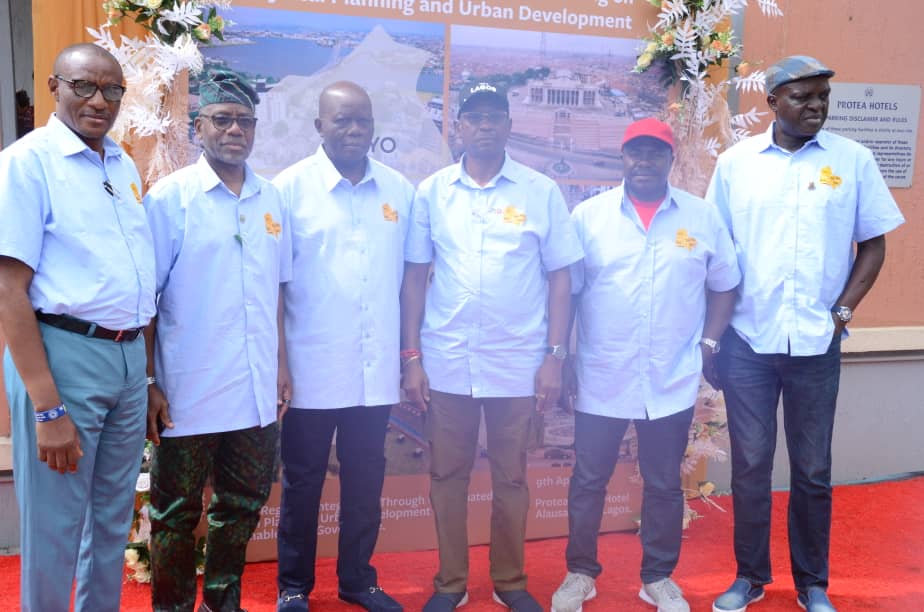
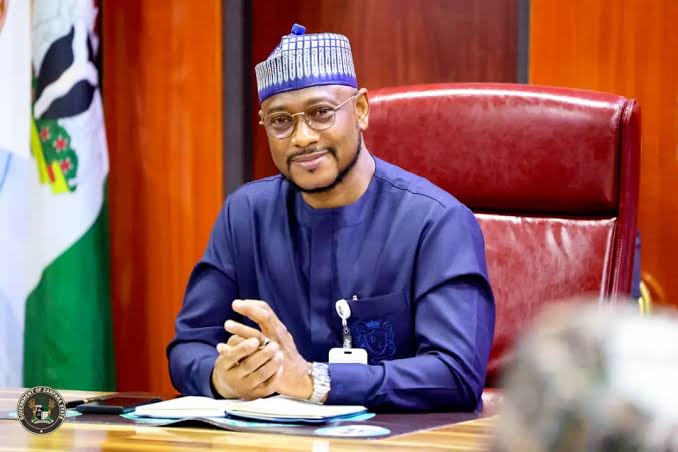
The Lagos State Commissioner for Physical Planning and Urban Development, Dr. Oluyinka Olumide, has noted that informal spaces include road setbacks, walkways, drainage corridors, spaces under bridges, road medians, and undeveloped government land, areas never intended for permanent commercial or residential use. Over time, many of these spaces have been occupied for trading, parking, storage, and temporary structures without planning approval.
While these activities may provide short-term livelihood opportunities, their uncontrolled expansion has long-term consequences for the city. Across Lagos, the effects are evident: pedestrian walkways blocked by stalls, drainage channels obstructed by makeshift structures, traffic congestion worsened by roadside trading, and the gradual loss of aesthetic and environmental value in public spaces.
These developments undermine mobility, increase safety risks, worsen flooding, and weaken the effectiveness of urban infrastructure.
Physical planning exists to balance competing needs within limited urban space. It ensures land is used in ways that support safety, functionality, environmental sustainability, and economic growth. When informal use of space grows unchecked, this balance is lost, leading to the normalisation of disorder and the erosion of public interest.
In this context, the Lagos State Government’s renewed focus on regulating informal spaces should be properly understood. It is not an attempt to deny livelihoods or punish vulnerable groups, but a necessary step toward restoring order, protecting public infrastructure, and ensuring the city remains liveable for present and future generations.
Dr. Olumide further explained that the Lagos State Urban and Regional Planning and Development Law, 2019 (as amended), provides a clear legal foundation for this responsibility. The law mandates the Ministry of Physical Planning and Urban Development to manage land use, coordinate development, and regulate spatial activities across the State. Informal spaces, as part of the urban fabric, fall within this scope.
However, regulation alone is insufficient. Experience shows that enforcement without understanding breeds resistance, mistrust, and conflict. Advocacy and stakeholder engagement must therefore precede and accompany any meaningful intervention. Market associations, transport unions, community leaders, local governments, and other stakeholders all have vital roles to play.
Sensitisation is particularly important in helping citizens understand that public spaces are shared assets, not private extensions of individual enterprise. Blocked road setbacks delay emergency responses; encroached drainage corridors worsen flooding; and the disappearance of walkways forces pedestrians onto highways, increasing the risk of accidents. These outcomes affect everyone.
There are also economic and environmental implications. Orderly cities attract investment, tourism, and innovation, while well-managed public spaces enhance quality of life and city image. Conversely, chaotic land use increases infrastructure maintenance costs and undermines long-term development planning costs that a megacity like Lagos cannot afford.
Importantly, regulating informal spaces does not mean eliminating informal economic activity altogether. Rather, it requires a structured, humane, and inclusive approach that balances livelihoods with planning standards. This may involve relocation, redesignation of appropriate areas, phased implementation, and sustained dialogue with affected groups.
Cities around the world that have successfully managed urban growth have done so by asserting planning authority while maintaining social sensitivity. Lagos, with its unique density and dynamism, must chart a similar path one that combines law, empathy, consultation, and professionalism.
As Dr. Olumide emphasised, the future of Lagos depends not only on large-scale infrastructure projects but also on how everyday spaces are managed. Informal spaces may appear insignificant in isolation, but collectively they shape mobility, safety, aesthetics, and environmental health.
Taking control of these spaces is therefore not merely a planning decision; it is a statement about the kind of city Lagos aspires to be. A city that works must be planned, and a planned city must protect its public spaces.