By: Tijani Salako.
Former Director-General of the Nigerian Maritime Administration and Safety Agency (NIMASA), Dr. Dakuku Peterside, has said inefficiencies and delays at Nigerian ports are increasing the cost of goods and services, undermining business competitiveness and limiting economic growth.
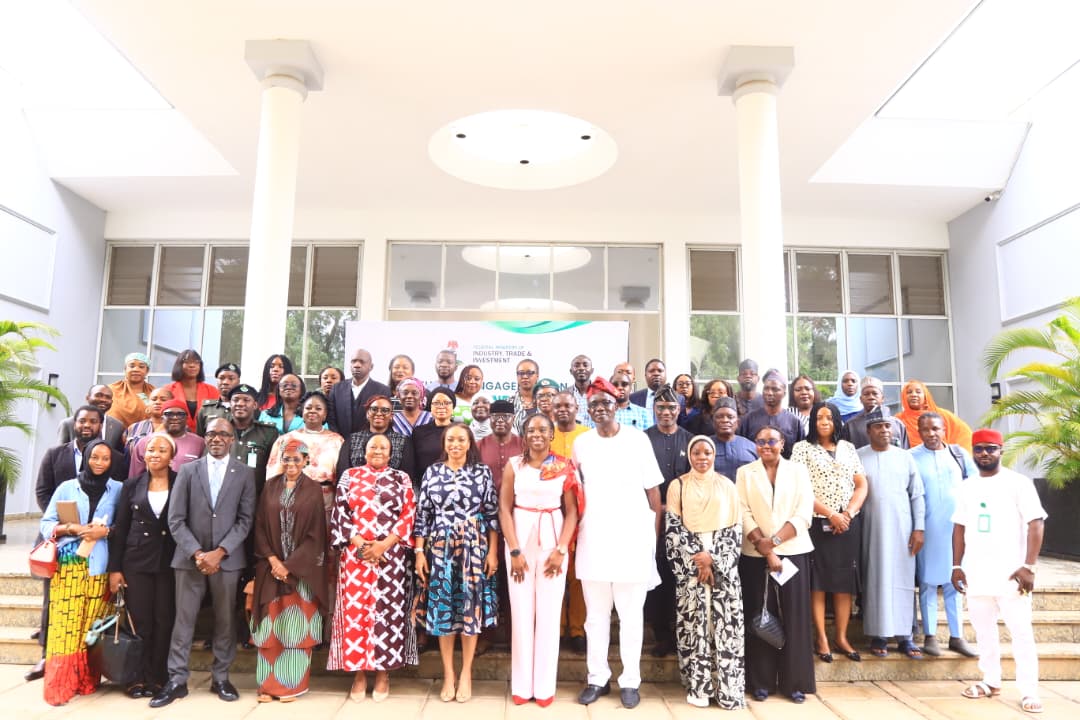
The charge was made by Dr. Dakuku Peterside during the 2026 Press Week of the Nigerian Union of Journalists (NUJ), held at the Multipurpose Hall, Radio Lagos/Eko FM, Lagos Television Complex, Agidingbi, Ikeja, Lagos, with the theme: “Politics, Ports and Public Interest: The Media’s Catalytic Role in Driving Economic Growth.”
Peterside said ports should not be viewed merely as places where ships arrive and depart or as centres for revenue collection, but as critical components of the Nigerian economy that determine the cost of goods and services.
He said delays in the movement of cargo at Nigerian ports often result in additional costs such as demurrage, which are eventually transferred to businesses and consumers.
According to him, while a vessel could leave a port in China within a much shorter period, vessels calling at Nigerian ports could face significantly longer delays, with importers ultimately bearing the cost.
He said the consequences of port inefficiency extend beyond importers and exporters to small businesses, manufacturers, farmers and consumers, as higher logistics costs are reflected in the prices of goods in the market.
Peterside gave the example of small businesses importing goods such as hair and clothing, saying delays in clearing their cargo could increase their operating costs and force them to raise selling prices.
He added that manufacturers could also be forced to suspend production or lay off workers when imported raw materials are delayed at the ports.
He said the impact of port inefficiency also extends to other sectors, including trucking, packaging, insurance, banking and logistics, stressing that capital tied down in goods waiting to move could otherwise be used to pay wages, finance expansion and support other productive activities.
Peterside also warned that delays could undermine agricultural exports, particularly perishable products, as prolonged paperwork and cargo processing could make it difficult for farmers and exporters to reach international markets on time.
He argued that the performance of Nigerian ports should therefore be measured not only by revenue generated or cargo handled, but by their contribution to production, trade, investment, employment and the competitiveness of Nigerian businesses.
According to him, Nigeria’s ambition to build a $1 trillion economy requires more than setting a target, stressing that the country must develop the institutions, infrastructure, productivity and investments needed to achieve such an ambition.
Peterside said improving port efficiency would also require investment in supporting infrastructure, particularly roads and rail, noting that efficient cargo handling at the port would have limited economic impact if goods could not be evacuated efficiently to the hinterland.
He cited the 2004 port reform and concession as an example of how sustained scrutiny and reform could improve port performance, noting that improvements were recorded in vessel and cargo turnaround following the reforms.
However, he said concession alone could not guarantee efficiency, stressing that the regulatory environment, customs processes, security, roads and rail networks must work together to create an effective port ecosystem.
Peterside cited Singapore as an example of a country that had developed a wider maritime ecosystem connecting ports with shipping, logistics, maritime services, finance, technology, infrastructure and skills.
He said Nigeria had significant potential to develop similar economic linkages, given its large population and the scale of its commercial activities.
He urged journalists to move beyond reporting revenue figures from agencies such as the Nigeria Customs Service and other port-related institutions and focus on how port performance affects the wider economy.
Peterside said journalists should investigate issues such as cargo dwell time, export turnaround time, the cost of importing machinery, manufacturing competitiveness, private investment and bottlenecks affecting the movement of goods.
He also urged port authorities and regulators to provide transparent, accessible and measurable performance data that businesses and citizens could understand.
According to him, stronger media scrutiny could compel government agencies and port operators to become more accountable and help expose bottlenecks affecting the cost of doing business.
He urged journalists to develop technical knowledge of port operations, customs processes, concession agreements and procurement so they could ask informed questions and properly scrutinise information provided by government agencies and private operators.
Peterside said the media should not rely solely on press releases from port authorities, regulators and operators, but should investigate contracts, concessions, delays and other issues affecting the sector.
He said when goods are delayed at the ports, the consequences travel through the supply chain, from terminals to trucks, warehouses, factories and markets, before eventually reaching households.
Peterside said Nigerian ports should therefore be seen as gateways through which opportunity, productivity and investment could expand, rather than merely points for cargo movement and revenue collection.
He urged journalists to continue holding government, port operators and regulatory agencies accountable for their responsibilities, saying effective scrutiny could contribute to better port performance, lower business costs and broader economic growth.