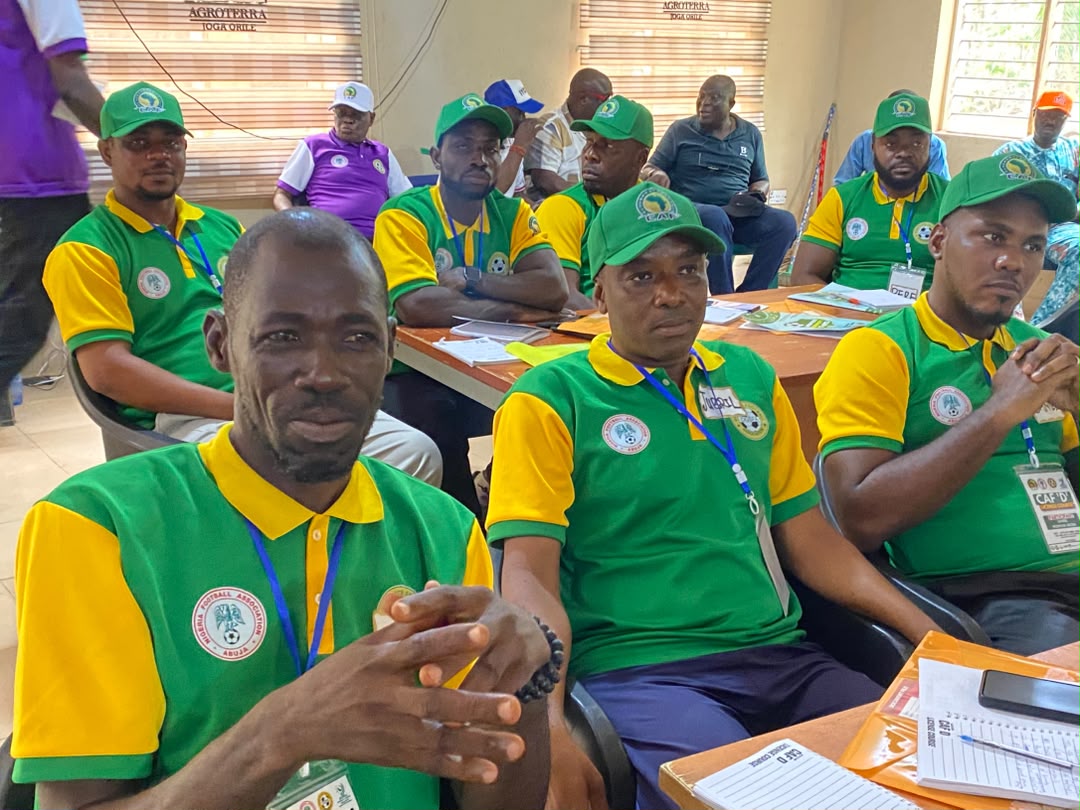
The African Foundation for Environment and Development (AFED) has intensified efforts to strengthen citizen participation, government accountability and inclusive development in Ado-Odo/Ota Local Government Area of Ogun State through a structured engagement between organised citizen groups and the Local Government.
The engagement, facilitated by AFED with funding support from CIVICUS, brought together representatives of 10 thematic Citizen Groups and the Management Team of Ado-Odo/Ota Local Government for a policy dialogue focused on building stronger partnerships between citizens and government.
Held at the AFED office in Ota, the dialogue marked a transition from citizen capacity building to practical engagement in local governance under AFED’s Community Environmental Justice and Civic Action Labs project.
The project was designed to strengthen grassroots participation in governance and support community-led responses to environmental, social and developmental challenges.
As part of the initiative, AFED mobilised and selected 49 women, youth and community leaders from communities and sectors across Ado-Odo/Ota. The participants were subsequently organised into 10 thematic Citizen Groups covering health, agriculture, education, electricity, road infrastructure, gender-based violence, women and youth empowerment, conflict prevention and leadership ethics, and media and communications.
The community leaders underwent four intensive three-day training modules on Environmental Justice; Civic Space and Citizens’ Rights; Governance and Participatory Budgeting; and Advocacy and Strategic Communication.
Through the training, participants were equipped with practical knowledge and skills to identify and document community needs, engage public institutions, monitor public service delivery, understand government budgets and advocate evidence-based solutions to grassroots challenges.
The policy dialogue provided the platform for the trained citizens to take the next step by engaging directly with the Local Government Management Team, presenting community concerns and exploring areas of collaboration.
Welcoming participants, AFED Executive Director, Adeshola Afariogun, described the dialogue as an important step in moving citizens from awareness and capacity building to active participation in governance.
He said AFED’s objective was to help establish a sustainable relationship through which organised citizens could provide evidence-based feedback, support government programmes, monitor service delivery and contribute to finding solutions to community challenges.
The dialogue was facilitated by Barrister Ayo Adebusoye, who encouraged citizens, civil society organisations, community institutions and government to see one another as development partners.
He stressed that effective local governance requires transparency, regular consultation, clearly defined responsibilities and active citizen participation. He also highlighted the Open Government Partnership model as a useful framework for strengthening transparency, access to information, accountability and collaboration between government and citizens.
Representatives of the Citizen Groups identified poor road infrastructure, inadequate primary healthcare, environmental sanitation, refuse management, basic education, electricity and weak communication between citizens and government as some of the priority issues requiring sustained attention.
They also expressed their readiness to support community sensitisation, citizens’ mobilisation, project monitoring, policy advocacy and the collection of grassroots feedback.
Responding to the concerns and proposals, the Executive Chairman of Ado-Odo/Ota Local Government, Hon. Lawal Adewale Wasiu, FCA, commended AFED for creating the platform and expressed his administration’s willingness to work with the Citizen Groups.
“The government alone cannot do it. We need citizens as partners,” the Chairman said.
He emphasised the importance of direct feedback from residents to effective decision-making and service delivery and assured the participants of his administration’s open-door approach to engagement with the platform.
Hon. Lawal also urged citizens to complement their demands with civic responsibilities, including payment of legitimate taxes and levies, support for community initiatives and cooperation with public institutions.
The Local Government delegation included senior political and administrative officials, departmental directors and representatives from health, agriculture, information and education, community development, water and environmental sanitation, finance and other areas of local governance.
A major outcome of the dialogue was the agreement to establish a formal partnership platform comprising representatives of the Local Government and the 10 Citizen Groups. The platform is expected to provide a structured mechanism for regular dialogue, information sharing, community feedback and joint action.
The meeting further agreed that the Local Government department responsible for community development would coordinate subsequent engagements, while the Citizen Groups would nominate competent representatives to participate in relevant programmes, projects and committees.
Other recommendations included the development of a joint action plan, strengthening communication between citizens and government, improving publicity for government programmes and achievements, and establishing effective channels for timely community feedback.
The initiative reflects AFED’s broader commitment to ensuring that citizens are not merely beneficiaries of development programmes but active participants in shaping policies, monitoring public services and contributing to solutions within their communities.
Afariogun thanked the Local Government Chairman and the Management Team for embracing the initiative and appreciated CIVICUS for its financial support.
The engagement concluded with a shared commitment by the Local Government and Citizen Groups to sustain regular dialogue and collaboration towards transparent governance, improved public service delivery and inclusive development in Ado-Odo/Ota.
The initiative advances the guiding principle of the Ado-Odo/Ota Citizens Engagement Platform: “Together We Build Better Communities.”