…As agency flags vandalism, weak prosecution, compensation right-of-way disputes as challenges
By: Goodluck E.Adubazi, Abuja.
The Transmission Company of Nigeria (TCN) has disclosed that its transmission wheeling capacity has risen to about 8,700 megawatts, while more than $1.4 billion in multilateral development financing has been mobilised to support the expansion and strengthening of the nation’s transmission network.
The company also revealed that it commissioned 89 power transformers within the last 12 months, adding more than 8,500MVA of transformation capacity to the national grid.
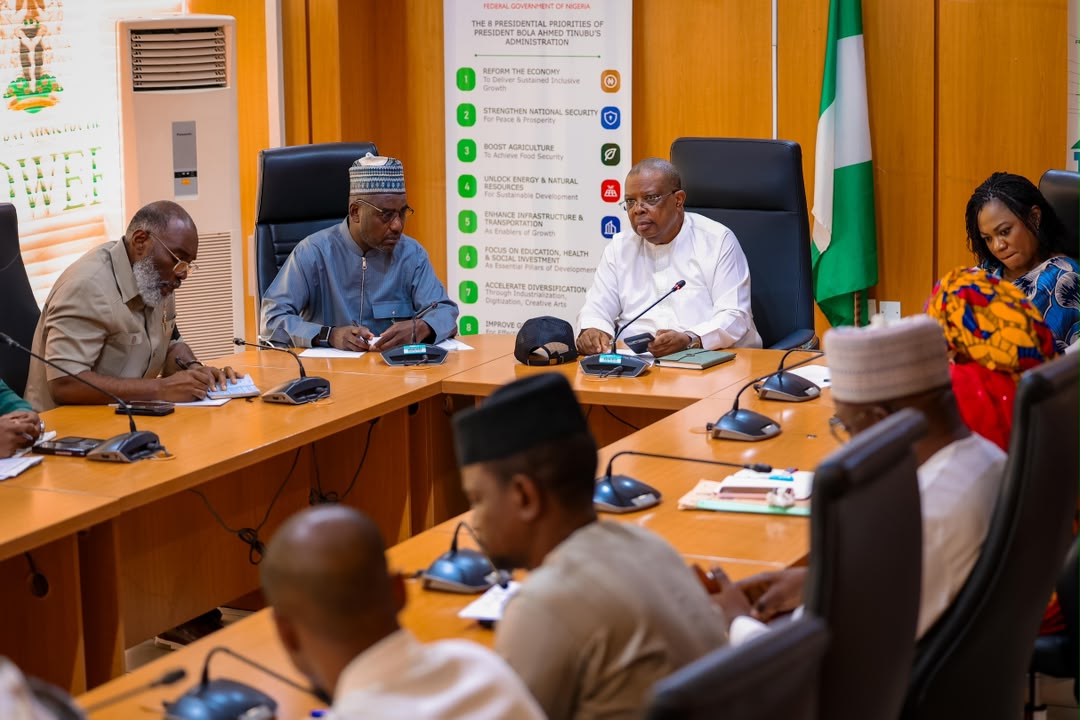
The disclosures were made at a three-day media workshop organised by TCN for energy correspondents in Abuja, with the theme, “Assessing the Impact and Challenges of Transmission Network in Nigeria.” The workshop is held from August 26 to 28, 2026, at Alvari Hotel, Keffi, Nasarawa State.
Speaking at the opening ceremony, the General Manager, Public Affairs, TCN, Mrs Ndidi Mbah, represented by the Assistant General Manager, Public Affairs, Mr Eric Ene, stressed the importance of effective communication and accurate reporting of developments in the power sector.
Mbah said the workshop was designed to deepen journalists’ understanding of the transmission sector and its critical role in national development, particularly in an increasingly digital society.
She noted that developments in the power sector have significant implications for Nigeria’s economy and urged energy correspondents to continue providing informed reporting that would complement ongoing government and industry efforts.
According to her, the media has a critical responsibility to help the public understand developments in the electricity sector, while TCN remains committed to improving communication and transparency.
Speaking on “TCN Milestones and Challenges in Nigeria’s Power Sector,” the Executive Director, Transmission Service Provider (TSP), Engr. Oluwagbenga Ajiboye, said the company had recorded significant progress in strengthening the national transmission grid over the past year.
Ajiboye, who spoke on behalf of the Managing Director/Chief Executive Officer of TCN, Engr. Sule Ahmed Abdulaziz, said the achievements covered grid expansion, capacity enhancement, reliability, resilience, operational flexibility and partnerships.
He disclosed that TCN currently has a transmission wheeling capacity of about 8,700MW, while the system recorded a peak transmitted power of approximately 5,801.84MW in March 2025.
He further disclosed that more than 8,500MVA of transformation capacity had been added to the system, while 89 transformers had been commissioned in the last 12 months.
According to him, major investments and additions were recorded in transmission facilities serving Lagos, Abuja, Benin, Kano, Jos, Gombe, Osogbo, Asaba and other major load centres.
He said the expansion had increased the availability of bulk electricity for distribution companies to take power for onward supply to consumers.
Ajiboye also disclosed that TCN had mobilised about $1.4 billion in multilateral development financing for transmission expansion, describing the development as evidence that the company was working with development partners to build a stronger and more resilient network.
“A Stronger Grid Is Foundation for a Stronger Economy” he added.
The TCN executive said the company’s focus had shifted from simply expanding capacity to creating a transmission system capable of delivering electricity reliably and sustainably across the country.
He explained that increased transmission capacity would only produce the desired economic impact if distribution companies had the capacity and willingness to take the available electricity.
Ajiboye therefore challenged stakeholders to address the persistent gap between available transmission capacity and distribution of electricity to consumers.
He said: “A stronger grid is the foundation for a stronger economy.”
He also raised questions about the commercial viability of extending transmission infrastructure to locations where electricity projects may not immediately be financially bankable.
According to him, electricity infrastructure should not be viewed purely from a commercial perspective because reliable power is an enabler of economic development.
However, Ajiboye identified infrastructure vandalism as one of the major threats confronting TCN and the sustainability of recent investments.
He disclosed that 151 incidents of vandalism had been recorded, stressing that the destruction of transmission towers and associated equipment continued to undermine the company’s efforts to improve electricity supply.
He cited the July 2026 theft attempt involving tower members and angle irons as one of the recent incidents, warning that the consequences extend beyond TCN to communities, businesses, hospitals and the wider economy.
The TCN executive expressed particular concern over what he described as inadequate legal consequences for perpetrators of transmission infrastructure vandalism.
Ajiboye said suspects arrested for vandalising transmission infrastructure were sometimes treated by the police as ordinary thieves rather than perpetrators of economic sabotage against critical national infrastructure.
He said some suspects were released within 24 hours because existing legal provisions did not adequately define or prescribe stiff penalties for attacks on transmission facilities.
“The police only charge suspects for theft and the court will release them by the following day. There are no laid-down consequences specified for vandalism of transmission towers and lines. That is why the act continues,” he said.
He lamented that investigations often failed to trace the buyers of vandalised materials or identify those sponsoring the attacks.
According to him, TCN field officers sometimes hand suspects and exhibits over to the police, only to discover later that cases had been abandoned or files could no longer be traced.
He called for stronger legislation and special judicial mechanisms to deal with energy infrastructure crimes.
Ajiboye also disclosed that TCN management had engaged the Office of the National Security Adviser (NSA) and the Federal Ministry of Justice on the need for a special framework for prosecuting attacks on power infrastructure.
He advocated stiffer penalties and, where necessary, designated courts or magistrates to facilitate the speedy prosecution of perpetrators.
The TCN executive identified other challenges confronting the transmission sector to include right-of-way issues and compensation, ageing infrastructure, funding and liquidity constraints, security concerns and coordination challenges across the electricity value chain.
He called for greater community involvement in protecting transmission infrastructure, urging traditional rulers, community leaders and security agencies to work closely with TCN to protect transmission corridors.
He said TCN had deployed surveillance teams and was collaborating with the Nigeria Security and Civil Defence Corps (NSCDC) to protect vulnerable facilities, but stressed that stronger legal backing remained essential.
Also speaking at the workshop, the General Manager, Material Control and Stores, TCN, Engr. Abdulkadir Gwaram Adamu, highlighted the strategic importance of material management and stores to the effective operation of the transmission network.
He explained that the availability and proper management of essential equipment and materials were crucial to timely maintenance, repairs and commissioning of transmission facilities.
Adamu encouraged journalists to undertake facility visits to gain first-hand knowledge of TCN projects and operations, saying such engagements would enable the media to report developments more accurately.
In his welcome remarks on behalf of TCN management, Ajiboye thanked energy correspondents for their continued engagement with the company and urged them to sustain professional reporting of developments in the power sector.
He said TCN was committed to continuous improvement, noting that the company would continue to expand the transmission network, improve reliability and strengthen partnerships.
He said the progress recorded over the past year represented part of TCN’s broader effort to transform the national grid into a more resilient and future-ready system.
The workshop is expected to provide further engagement between TCN officials and energy correspondents in Abuja on the achievements, challenges and future direction of Nigeria’s transmission sector.