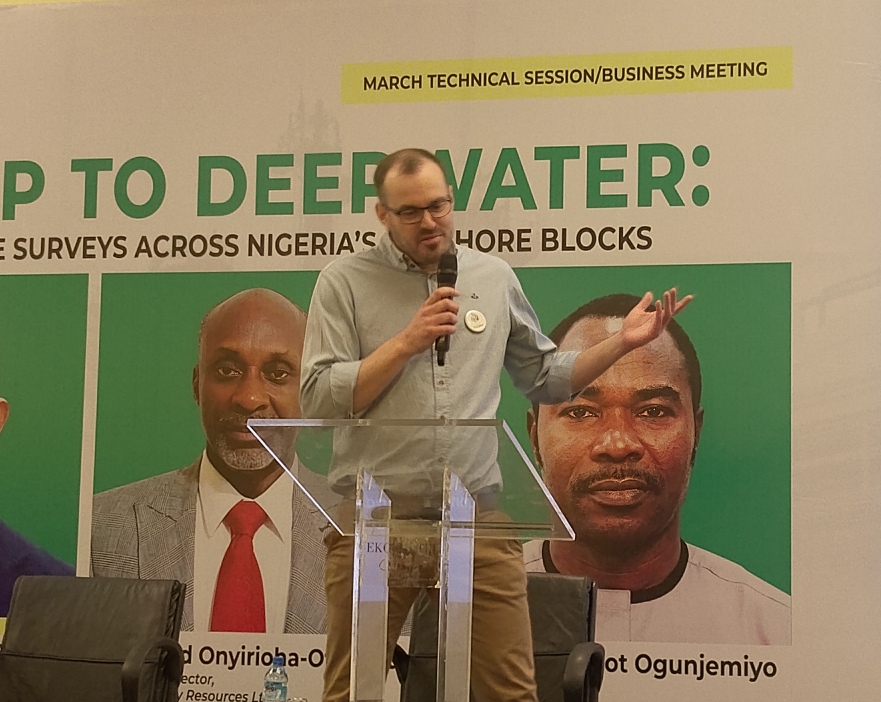
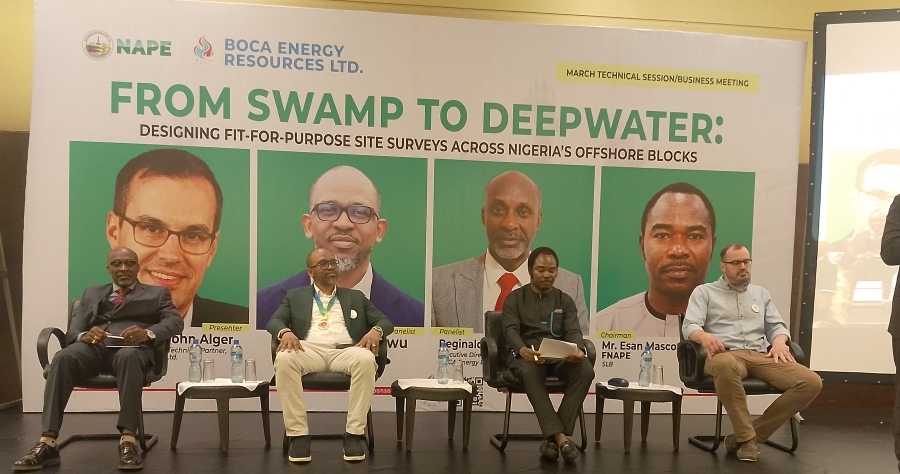
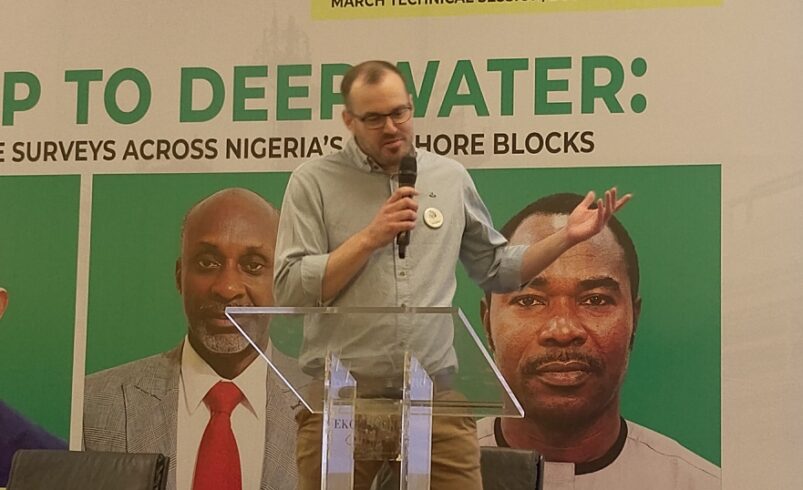
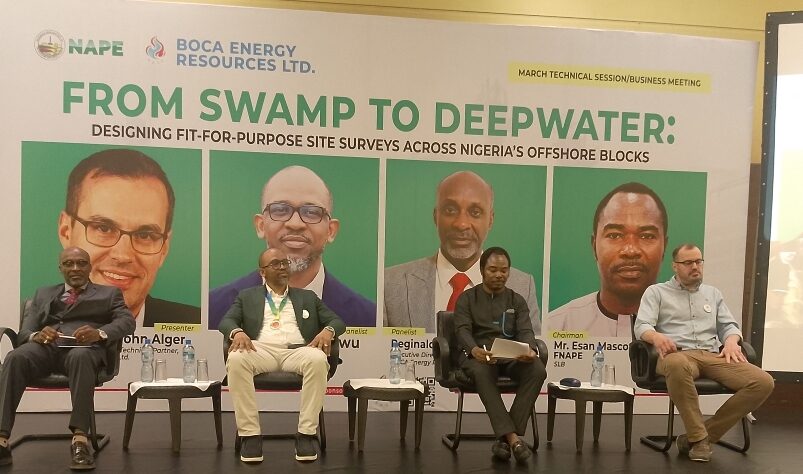
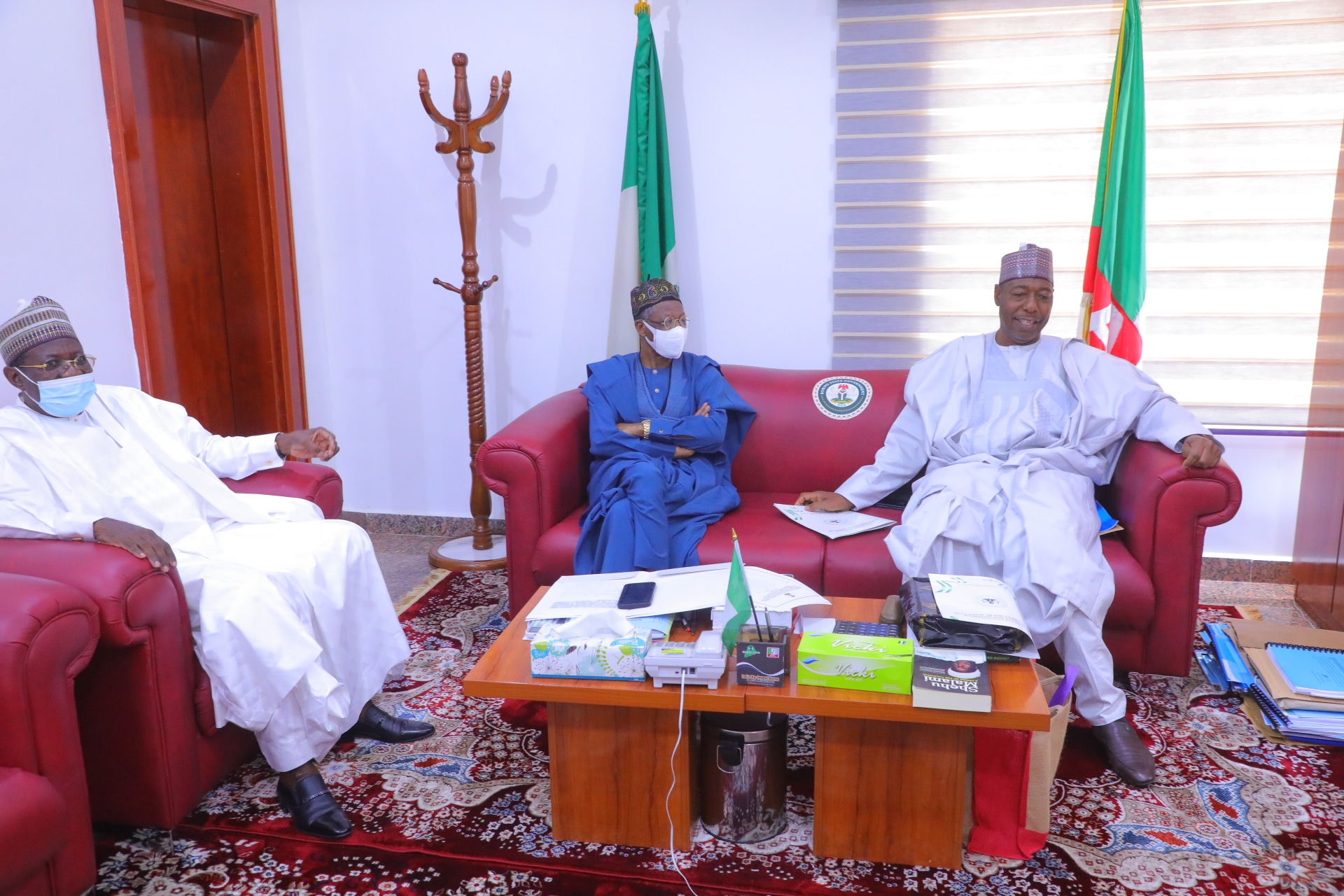
A Principal Geophysicist and Tech Partner at, Mr. Christopher John Alter, has declared that the global oil and gas sector is regaining relevance amid a slowdown in renewable energy activities, stressing that poorly designed site surveys remain one of the costliest mistakes in offshore drilling operations.
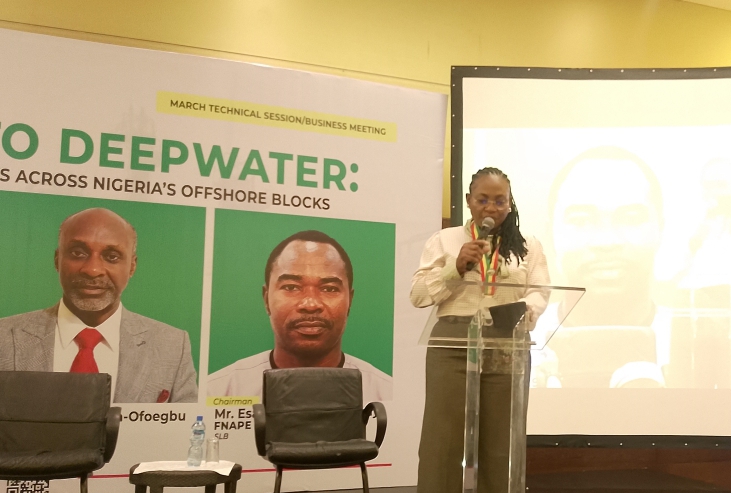
Speaking during a technical session at the NAPE March Technical/Business Meeting 2026 sponsored by BOCA Energy, held at Ballroom, Eko Hotel and Suites, Alter revealed that while his firm operates across oil and gas, wind farm development, pipeline inspection, and cable surveys globally, the current lull in wind and renewable projects has shifted attention back to traditional hydrocarbon exploration. According to him, industry players often experience cyclical demand, where declines in one sector, such as renewables, drive renewed activity in oil and gas.
He emphasized that site surveys are the foundation of safe and efficient offshore drilling, citing standards by the , which prioritise the protection of personnel, equipment, and the environment above all else. “If safety fails, every other success becomes irrelevant,” he noted.
Alter explained that comprehensive site surveys are critical for confirming water depths, analysing seabed conditions, identifying existing infrastructure, and assessing subsurface geology. These factors, he said, directly influence drilling methods, rig selection, and pipeline installation. He warned that failure to detect hazards such as shallow gas, faults, or seabed obstructions could result in severe operational damage, including pipeline failures and drilling accidents.
Highlighting real-world risks, the geophysicist referenced incidents ranging from offshore equipment damage to drilling complications caused by undetected infrastructure and geological anomalies. He stressed that the core principle of survey work lies in balancing cost against risk, warning that any survey that fails to reduce risk effectively is simply a wasted investment.
Focusing on Nigeria, Alter described the country’s offshore terrain as uniquely diverse, with water depths ranging from swamps to deepwater environments exceeding several thousand meters. He noted that this variability presents both opportunities and complex challenges, as no two sites share identical conditions, even within the same block.
He pointed out that Nigeria’s offshore operations must contend with fluctuating seabed conditions, shallow gas presence, logistical constraints, and limited availability of geotechnical vessels. These factors, he said, demand highly customized, environment-specific survey designs rather than generic approaches.
Alter further explained that in swamp and nearshore environments, operators face difficulties such as soft soils, accessibility issues, and environmental sensitivities, while shallow water zones pose challenges in acquiring reliable seismic data due to gas interference. In deeper waters, risks escalate with slope instability, complex seabed morphology, and gas hydrates, all of which can lead to drilling failures like well collapse or fluid loss.
He stressed that survey design must be driven by risk assessment, not cost-cutting. According to him, engineers should first identify potential hazards, develop a risk register, and then determine the appropriate scope of data acquisition. In some cases, he added, existing 3D data may already provide sufficient insight, making additional surveys unnecessary.
Speaking on marginal fields, Alter warned against applying generic survey strategies to complex or previously unexplored locations. He noted that such fields often come with higher uncertainty, limited historical data, and increased geological risks, requiring broader and more detailed survey coverage.
To address these challenges, he advocated for stronger integration of geophysical and geotechnical data, early collaboration between operators and survey contractors, and smarter planning frameworks. He maintained that targeted, data-driven surveys, not cheaper, minimal ones, are essential for reducing uncertainty and ensuring long-term project success.
Alter concluded that as the industry navigates shifting energy priorities, the importance of precision in survey planning cannot be overstated, warning that cutting corners at the early stages of exploration could have far-reaching operational and financial consequences.