By: Tijani Salako.
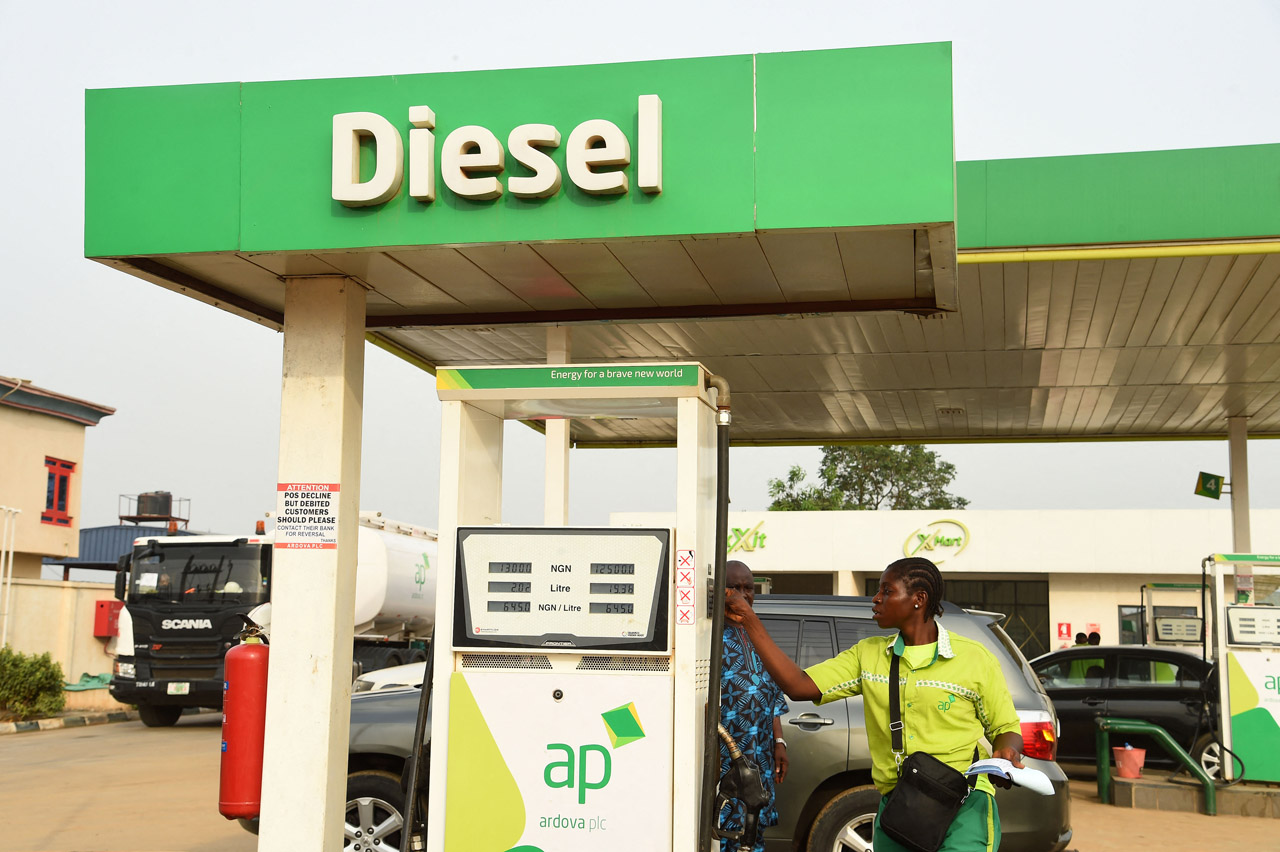
The rise in the diesel prices are threatening to slow Nigeria’s generator-driven economy as the war in the Middle East pressures supplies of both the industrial fuel and the type of crude oil most suited to produce it, traders and analysts said.
Analysts are questioning how a country like the size and population of Nigeria can afford to depend heavily on off-grid electricity from generators for economic productivity.
Analyst have repeatedly argued that the failure to guarantee grid availability and reliability has, over the past three decades, imposed an incalculable socio-economic cost on the country and continues to weigh on productivity, competitiveness, and Nigeria’s global image.
Across several outlets, including some depots around Lagos, the price of diesel has surged as high as N1,600 per litre due to the continuous conflict involving Iran in the Middle East.
Traders say diesel has been in tight supply for years due to disruptions caused by Ukrainian attacks on Russian refineries and Western sanctions on Moscow’s energy exports.
However, the conflict involving Israel, the United States and Iran has worsened supply chain, as Tehran has been disrupting shipping in the Strait of Hormuz, a vital route through which between 10 percent and 20 percent of global seaborne diesel supplies pass.
“Diesel is the most exposed product to this conflict structurally,” Shohruh Zukhritdinov, founder of Dubai-based Nitrol Trading, said. “Diesel underpins freight, agriculture, mining and industrial activity, making it the most macro-sensitive barrel in the system.”
The diesel supply loss associated with disruptions in the Strait of Hormuz is estimated at about 3 million to 4 million barrels per day, or roughly 5 percent to 12 percent of total global consumption, energy economist Philip Verleger said. Another 500,000 barrels per day of diesel could be lost due to blocked exports from Middle Eastern refiners, he added.
Diesel remains the primary fuel for generators used by factories, telecom base stations, hospitals and large commercial facilities across Nigeria, where unreliable power supply from the national grid has forced businesses to rely heavily on self-generation.
Industry analysts warn that sustained increases in diesel prices could raise operating costs for manufacturers and service providers, with the likelihood that higher expenses will eventually be passed on to consumers through increased prices for goods and services.